The Had Draa market is a fascinating glimpse into traditional Moroccan life, a feast for the senses, and one of the largest markets in Morocco.
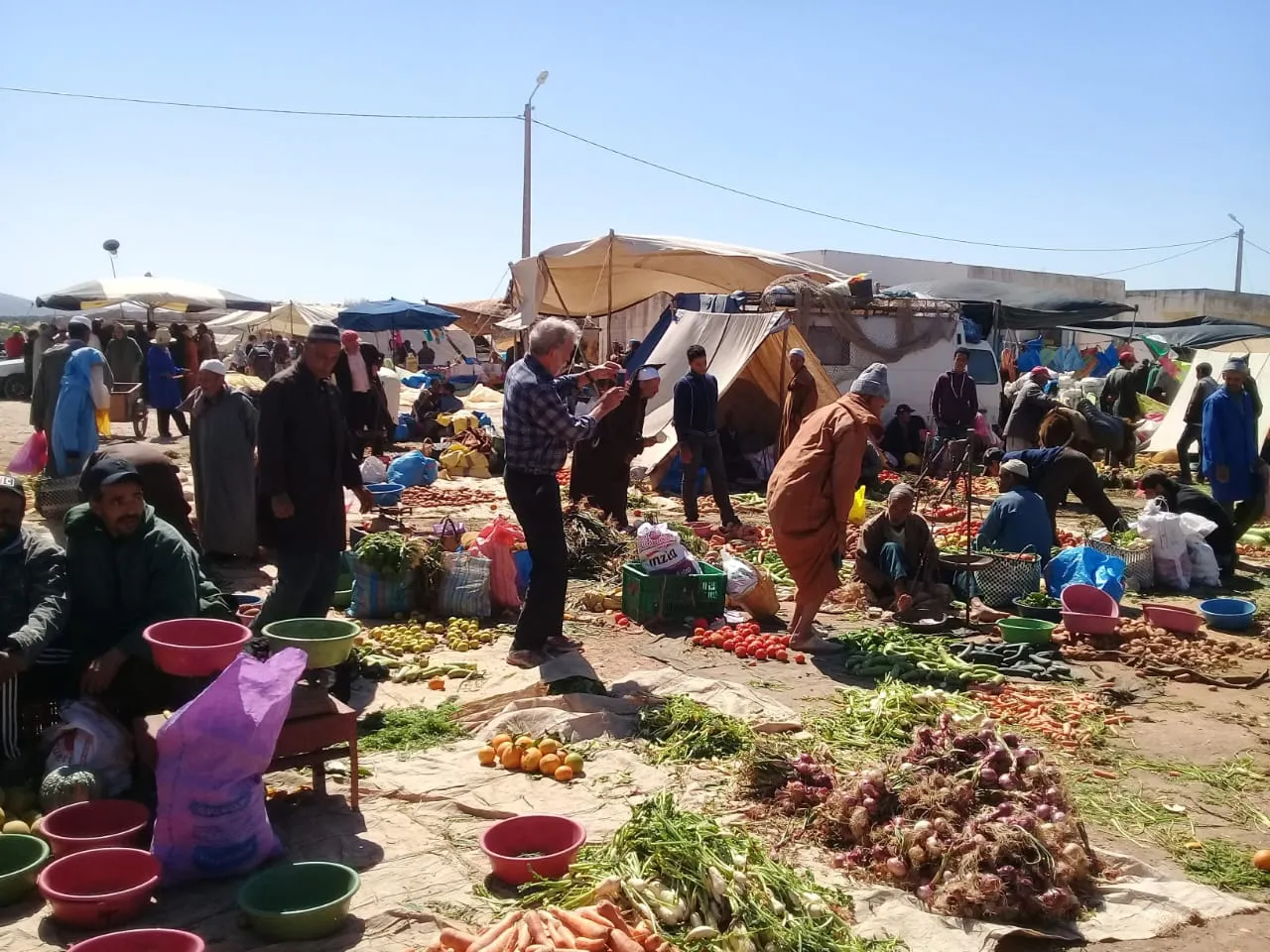
Held every Sunday, thousands of locals descend on this sleepy village to buy and sell their wares. You can find everything — from cobblers to basket weavers, blacksmiths to carpenters, spice sellers to butchers.
If you are looking for an authentic Moroccan experience during your visit, this should sit at the top of your list of things to do in Essaouira.
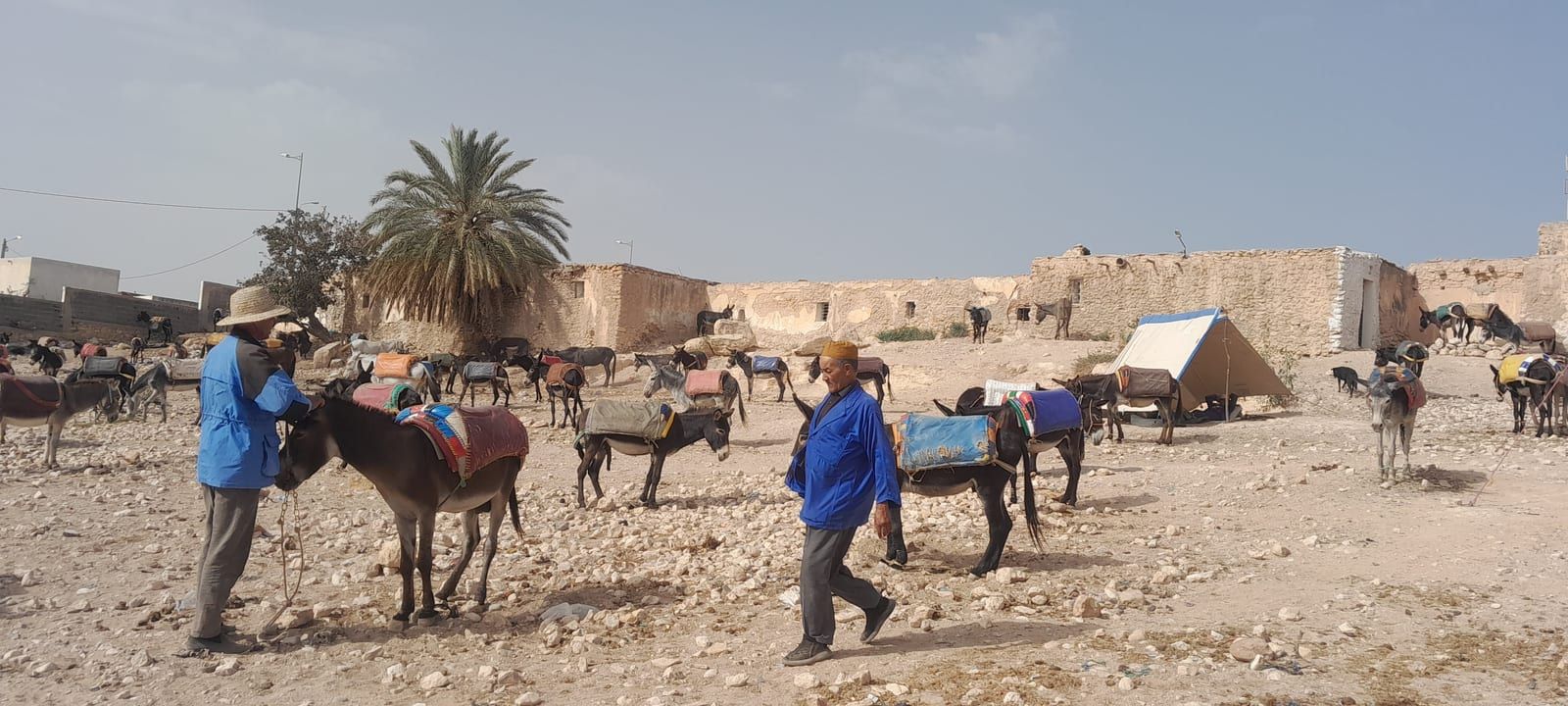
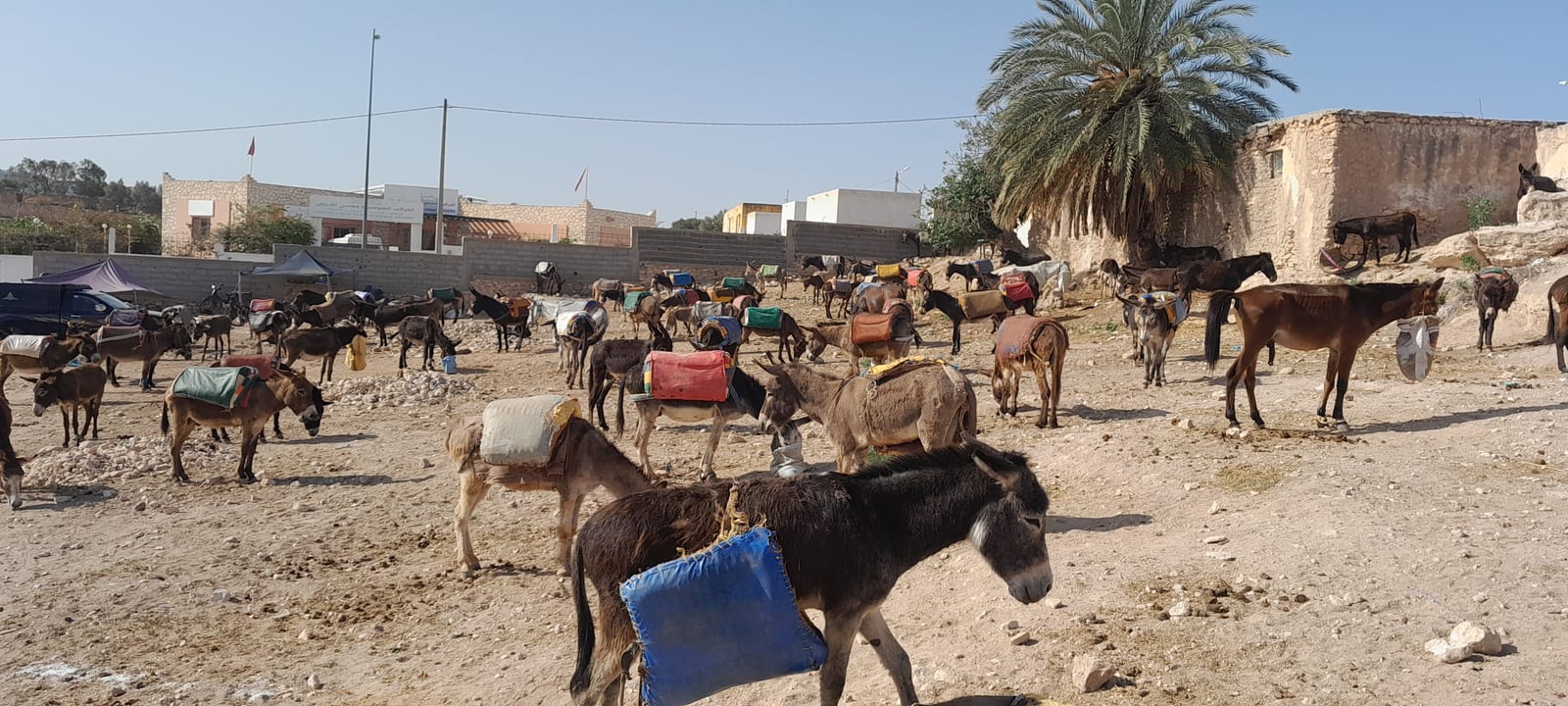
From the very break of dawn, the Had Draa souk wakes to the sound of bargaining. This traditional market is famous for its livestock trade: camels, sheep and cows find their new owners under the curious gaze of visitors. An authentic scene, where it’s not uncommon to see buyers heading home on their freshly bought mount.
This signature souk of the Essaouira region is organised by “districts”. Butchers slice meat under the watchful eye of their customers, while market gardeners offer brightly coloured fruits and vegetables. Further on, artisans shape wood and forged iron, carrying forward an ancestral know-how.
In short, the Had Draa market is a journey through time, a return to the past where the clock seems to have stopped, awakening the memories of our ancestors — memories that endure and renew themselves each day in the countryside.
A souk experience, and its flavours
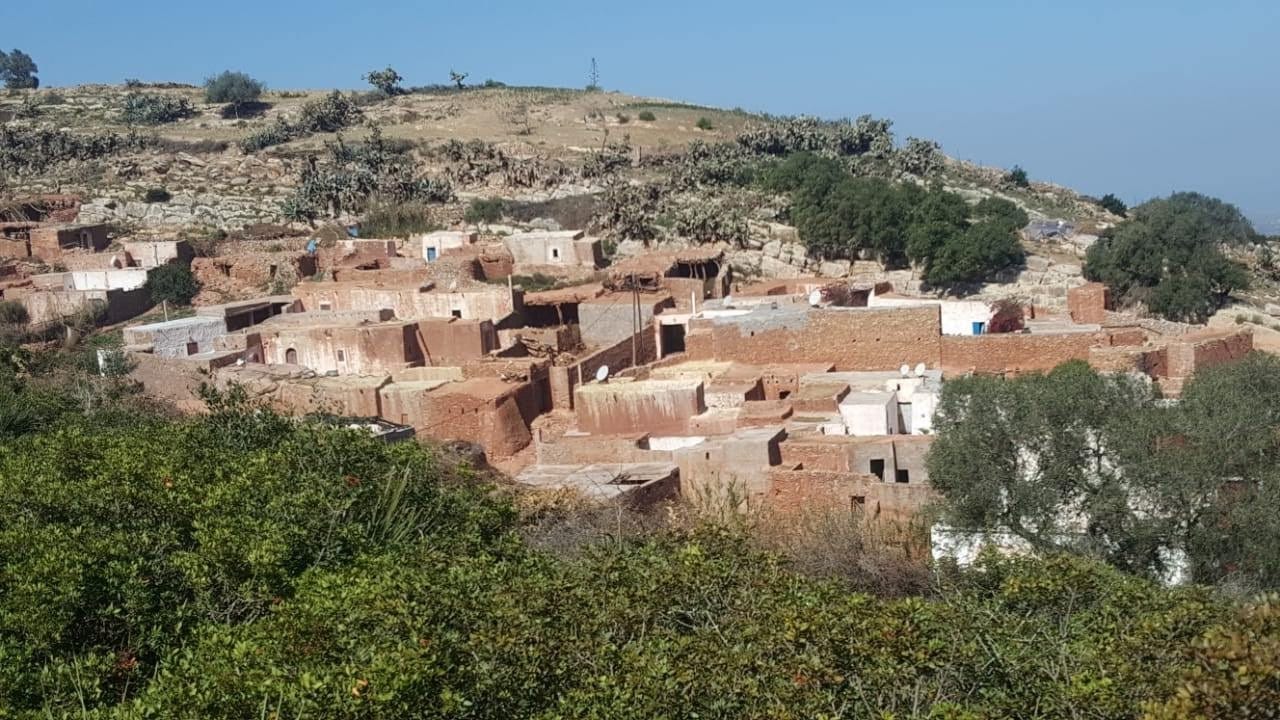
Going to Had Draa, an authentic Berber village, is an immersion in the real rural Morocco — a journey of simplicity, of tradition and of culinary discovery, where the artisans hold a stall on market day.
Thousands of animals are sold or bartered: camels, cows, horses, mules, donkeys, sheep, ewes, down to the smallest of farm animals. You can also buy every kind of vegetable, fruit and other foodstuff grown according to ancient Berber methods — naturally organic. This experience is much more than a simple visit — it’s a deep dive into the soul of Berber culture.
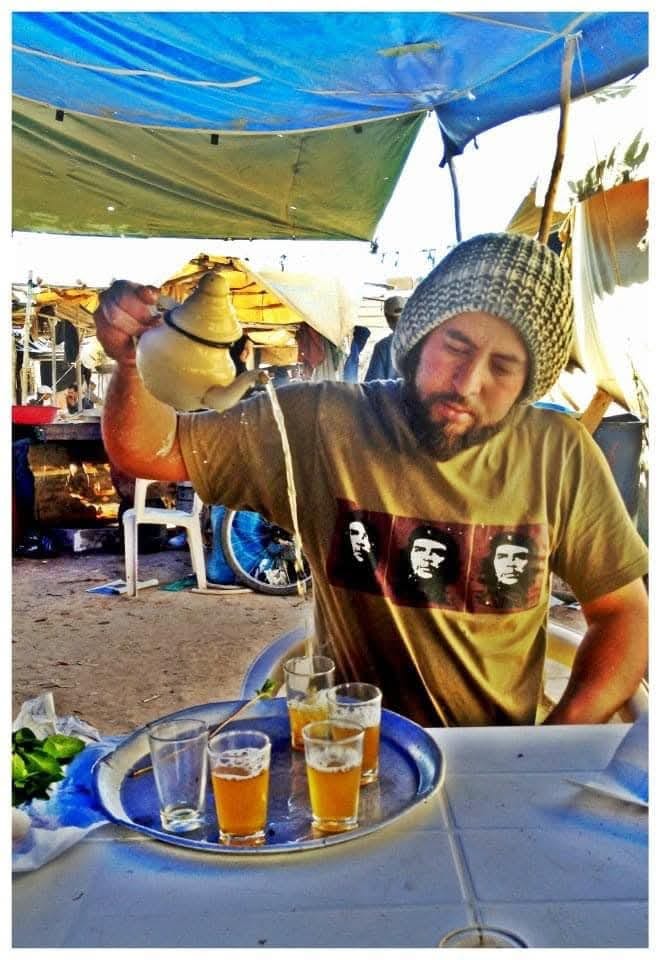
We close the souk visit with the Moroccan tea ceremony under a Berber tent. This moment is placed under the sign of relaxation. Wander among the colours and scents, soak in the raw, authentic atmosphere of rural life.
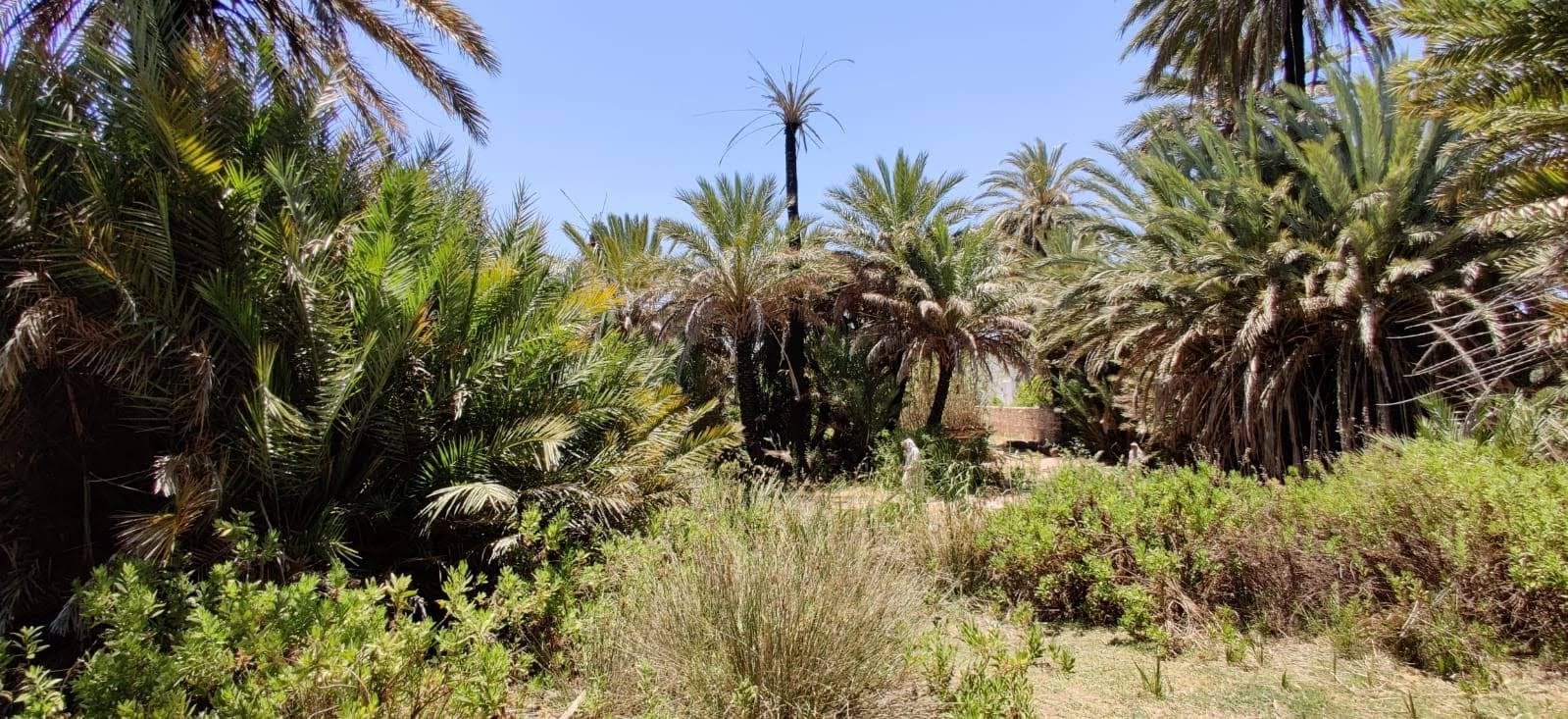
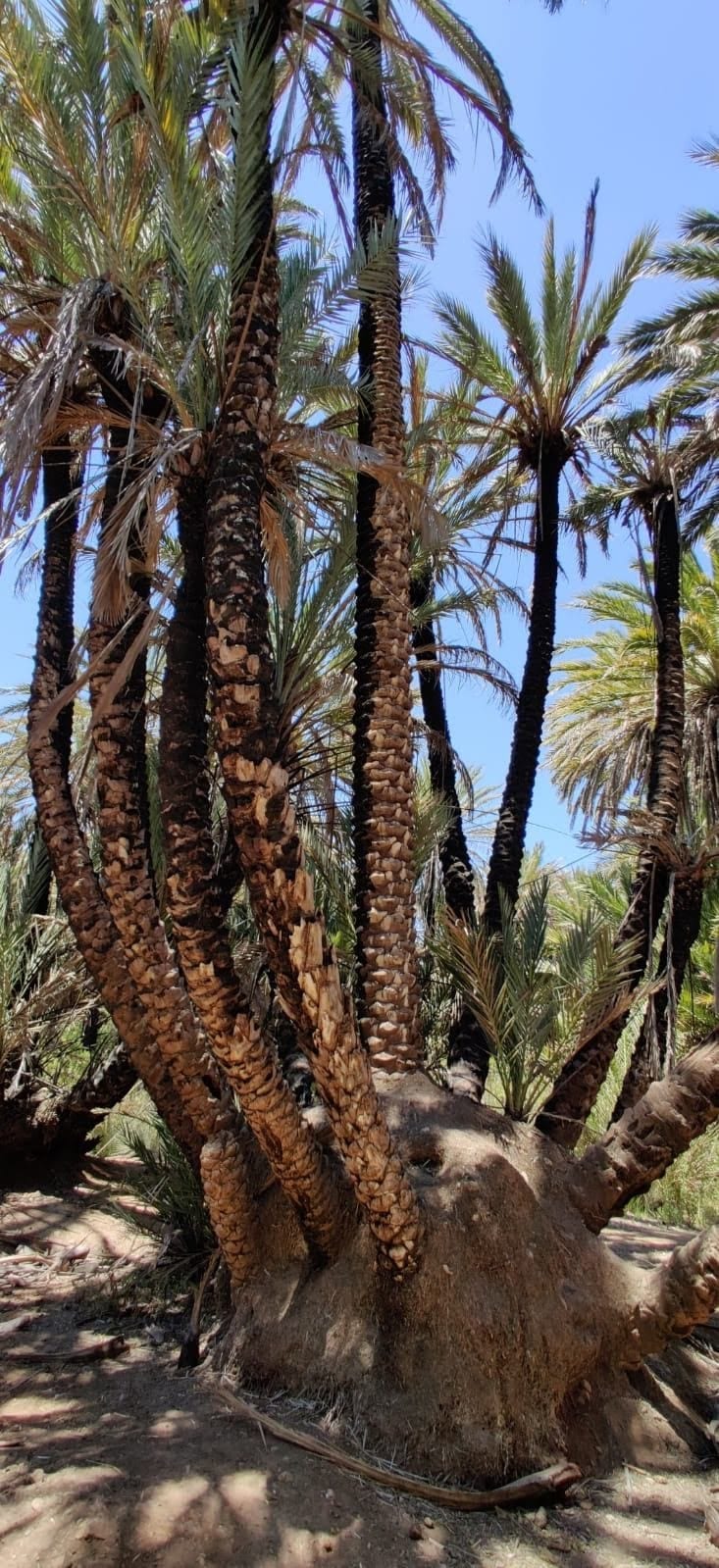
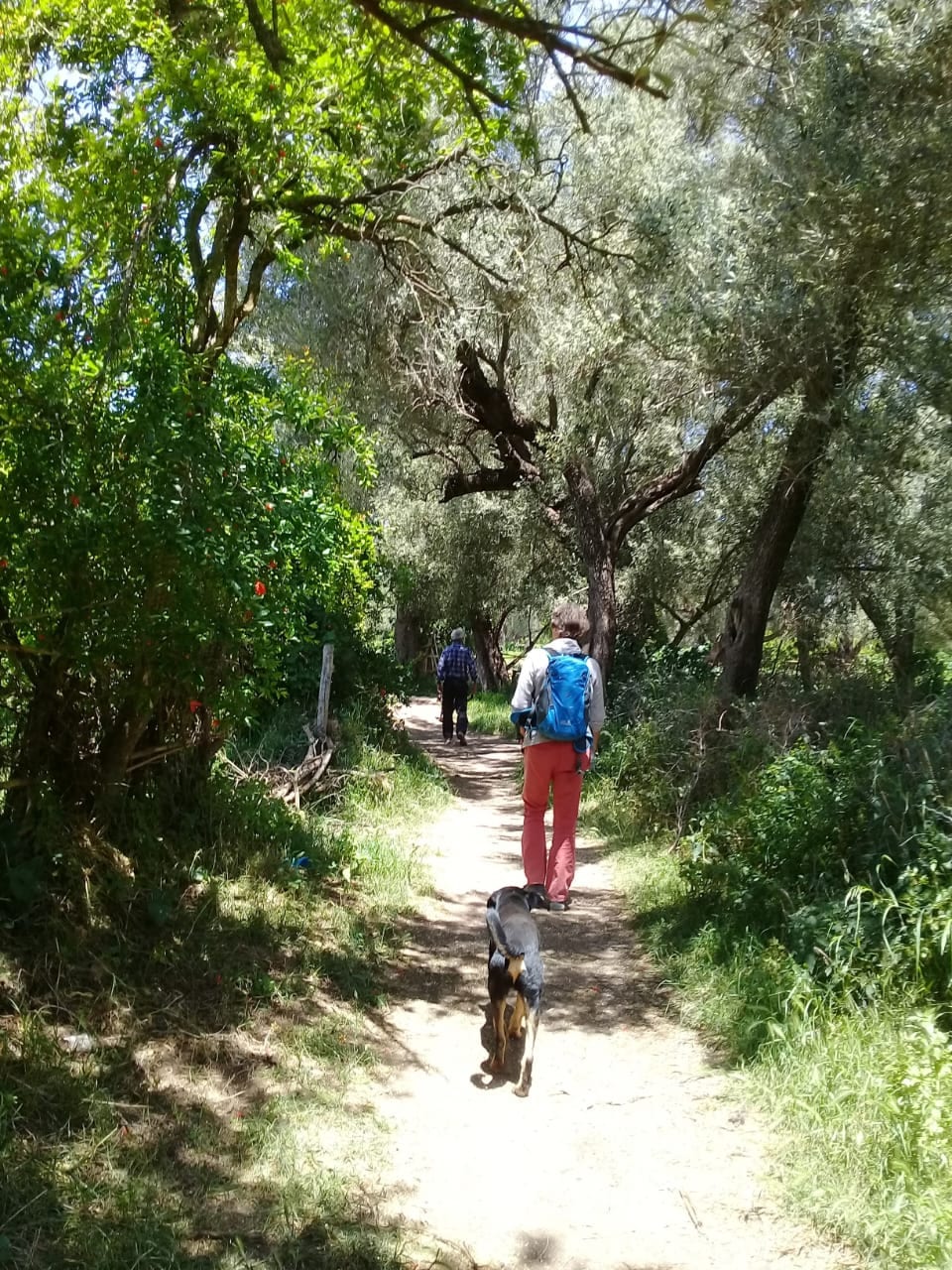
We then head to the “Aïn Laajar” oasis — meaning “the spring of stones”, because the water seems to flow out of the rocks themselves. A magical place, with a remarkably varied vegetation — eucalyptus, argan, olive trees — and small plots of vegetables tended by the locals.
Before we head back to Essaouira, you’ll have the option of a traditional lunch in a local home, and a chance to discover their cooking secrets and their way of life.