Among the precious riches of our land, salt is a resource we hear little about — but which, several centuries ago, held a value almost as precious as gold.
A vanished ocean
More than 200 million years ago, plate tectonics and climate change made the primitive ocean that covered our mountains disappear. As it dried out, it left a deep layer of pure salt, preserved from the effects of the environment.
Later, the infiltration of groundwater led to the formation of brines and emerging saline springs, which leave white traces on the surface after evaporation.
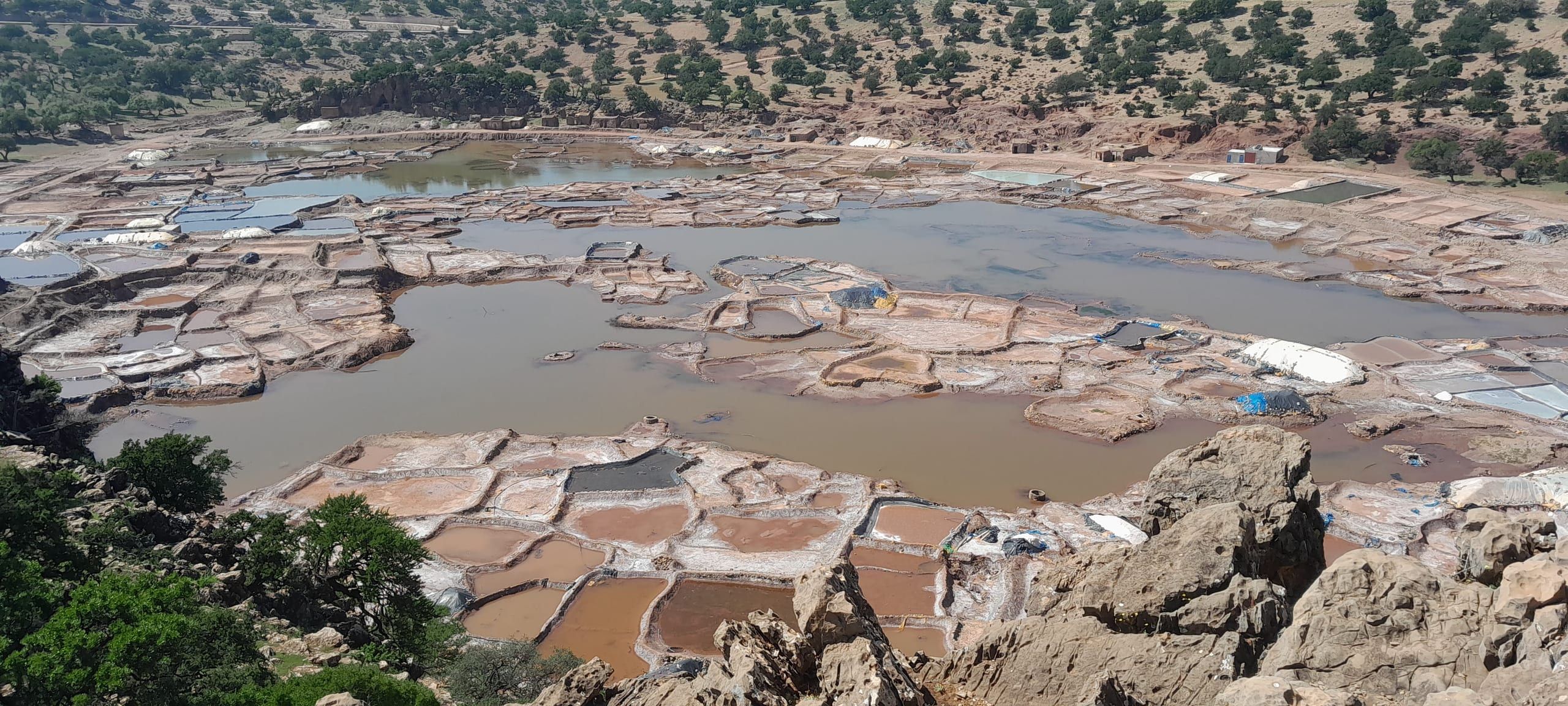
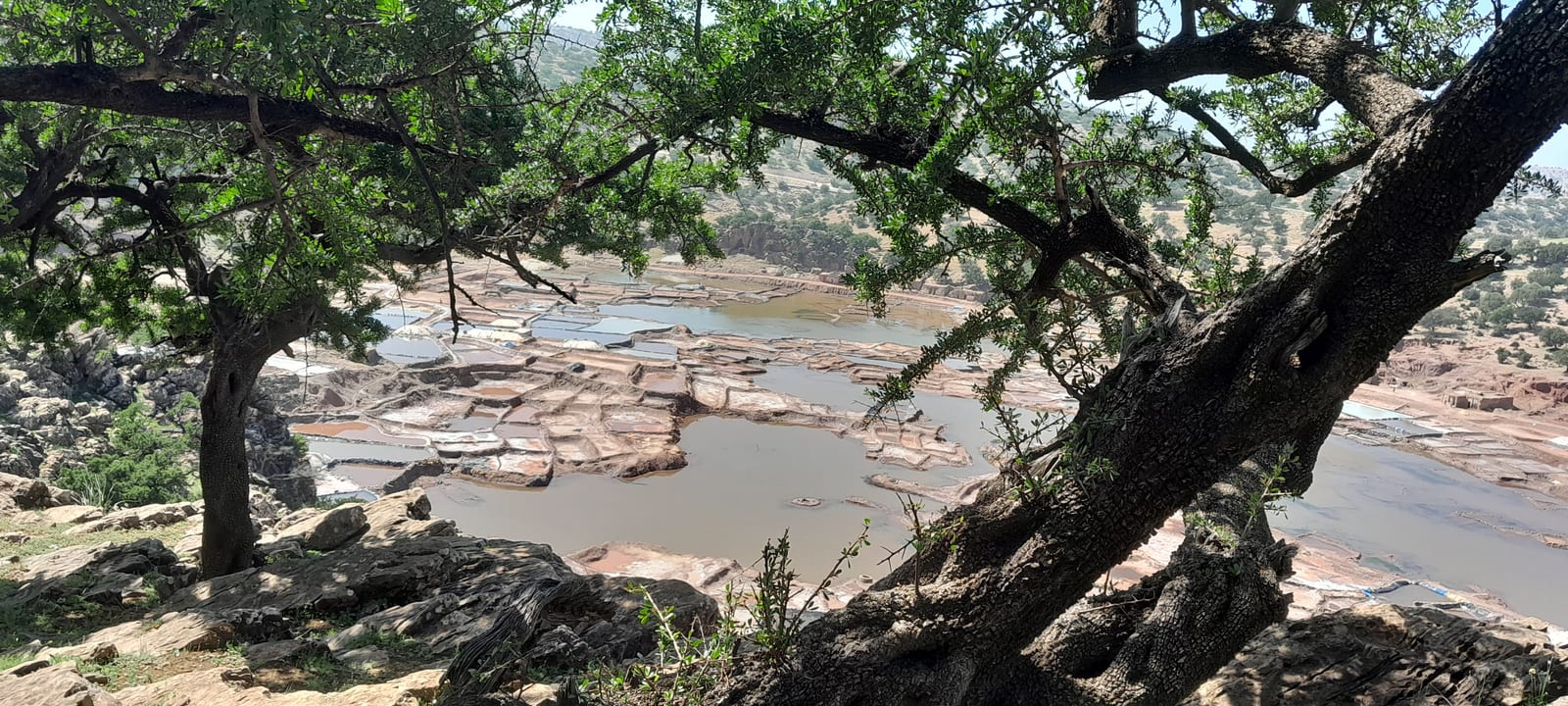
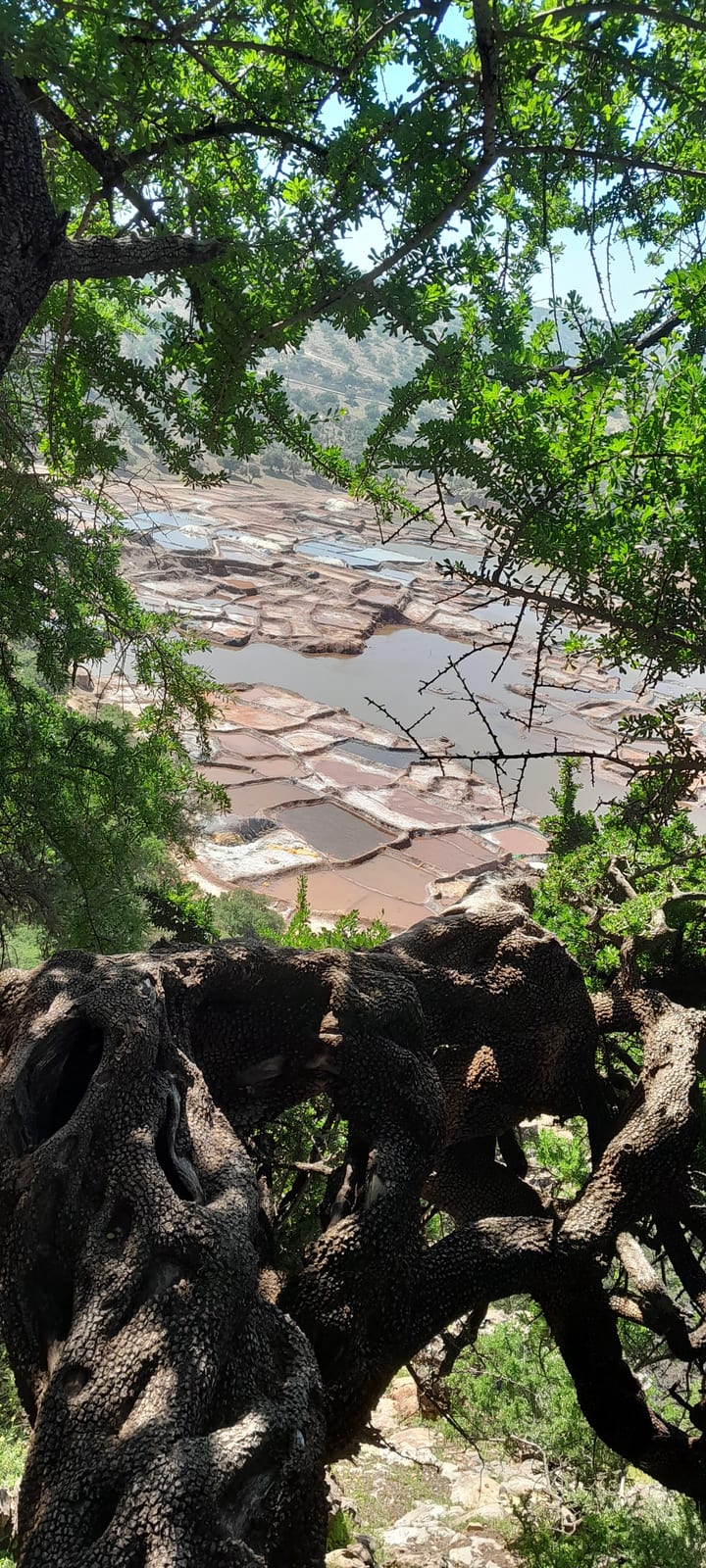
From Tisrarine to Sidi Ali, the salt pans of the High Atlas join the beauty of their terraced basins and their snowy salt crystals to a centuries-old history — their immaculate white contrasts dazzlingly with the ochre peaks of the High Atlas.
On the road to Timbuktu
The history of the salt road was written far beyond our borders. In 1875, the German botanist Matthias Jacob Schleiden wrote in his book Salz:
The caravans — or Kasilas — coming from Morocco are generally composed of 1,000 to 2,000 camels and as many as 150 men. Often, several Kasilas join and then form an Akabar. On their route south, they load pure salt from saltworks and mines, generally against payment and export tax, to bring it to Timbuktu, where salt has become one of the most important articles of barter against gold, all along the Niger, and is even recognised as a sure value in many regions of West Africa.
Schleiden also teaches us that the Greek historian Herodotus had revealed, 500 years before our era, the existence of salt deposits in North Africa. From west to east, salt was a true commercial object — the arrival of such a caravan in fertile but salt-poor lands provoked real excitement.
A sign that the vital importance of salt was known since antiquity.
The extraction technique
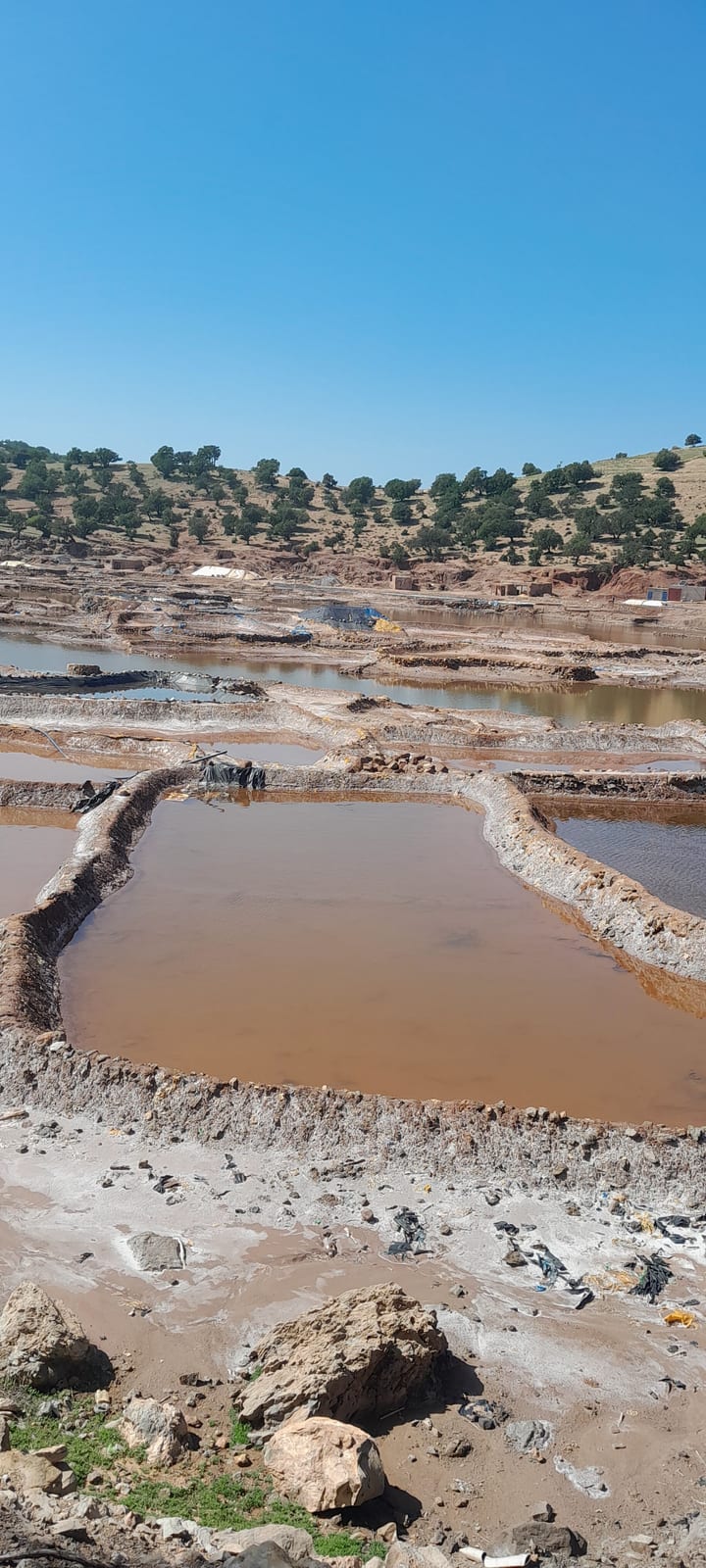
To bring water to the basins from those deep valleys, often hard of access, water pipes are used and sometimes a pump — particularly to prevent premature evaporation. Upstream filtering basins ensure the water is cleared of sand and mud residues.
The heavily salted water, thus purified, is directed to basins located lower down. As evaporation progresses, salt crystals form, gathered with large wooden spatulas into baskets. Water that has not fully evaporated drains away during transport.
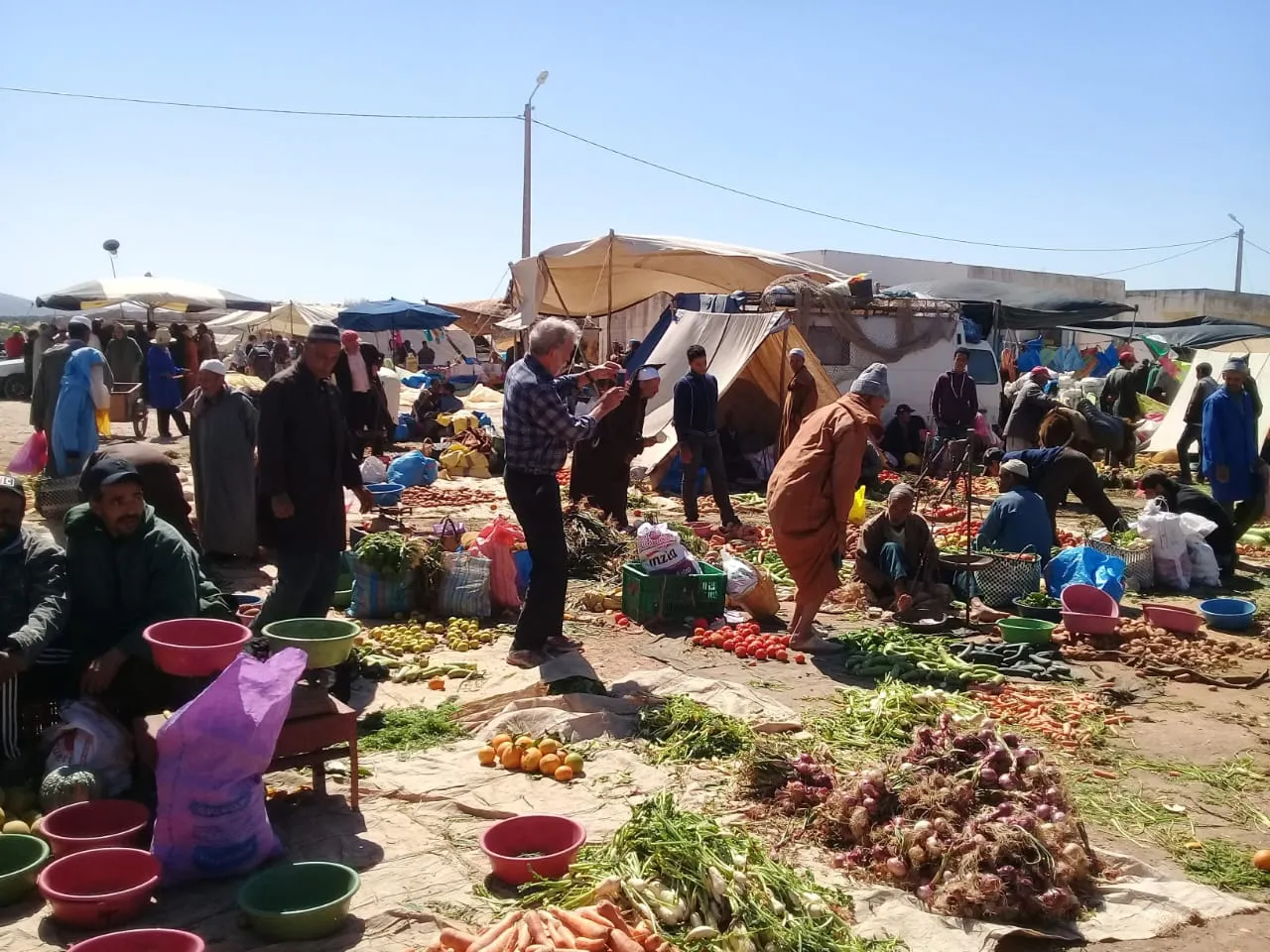
The drying is finished by the sun, while we wait for the salt to be placed into large sacks — for sale at local markets or for industrial processing.
The saltworks are worked and visited between April and September, when the sun is intense enough to guarantee a rapid evaporation of the water.