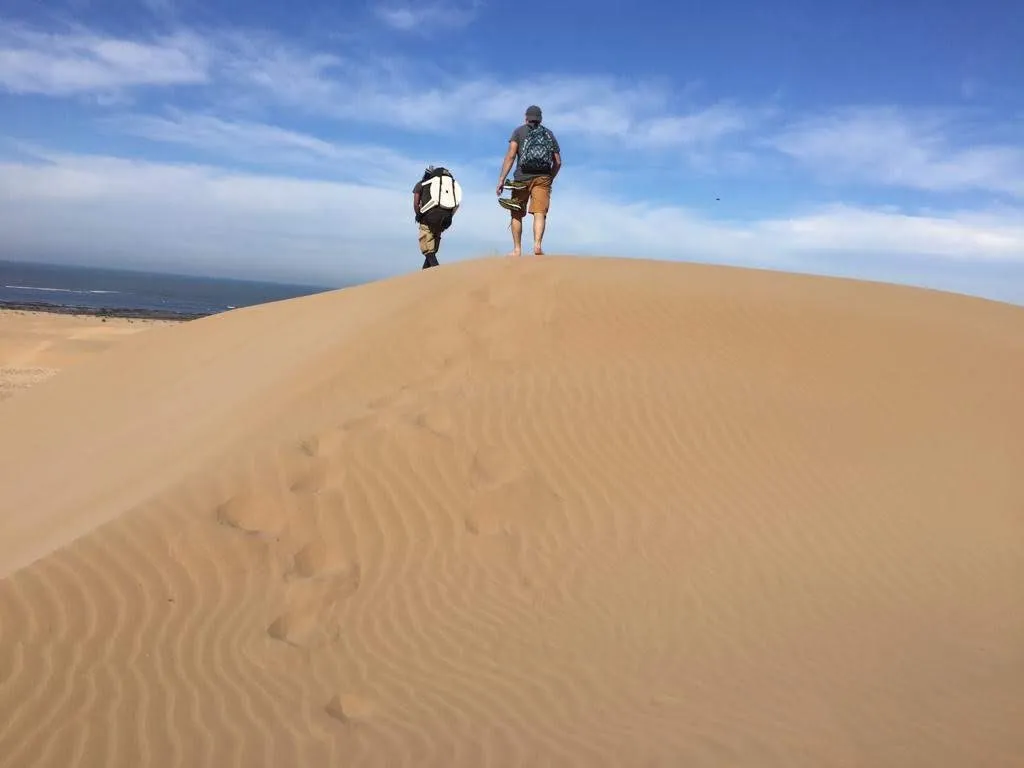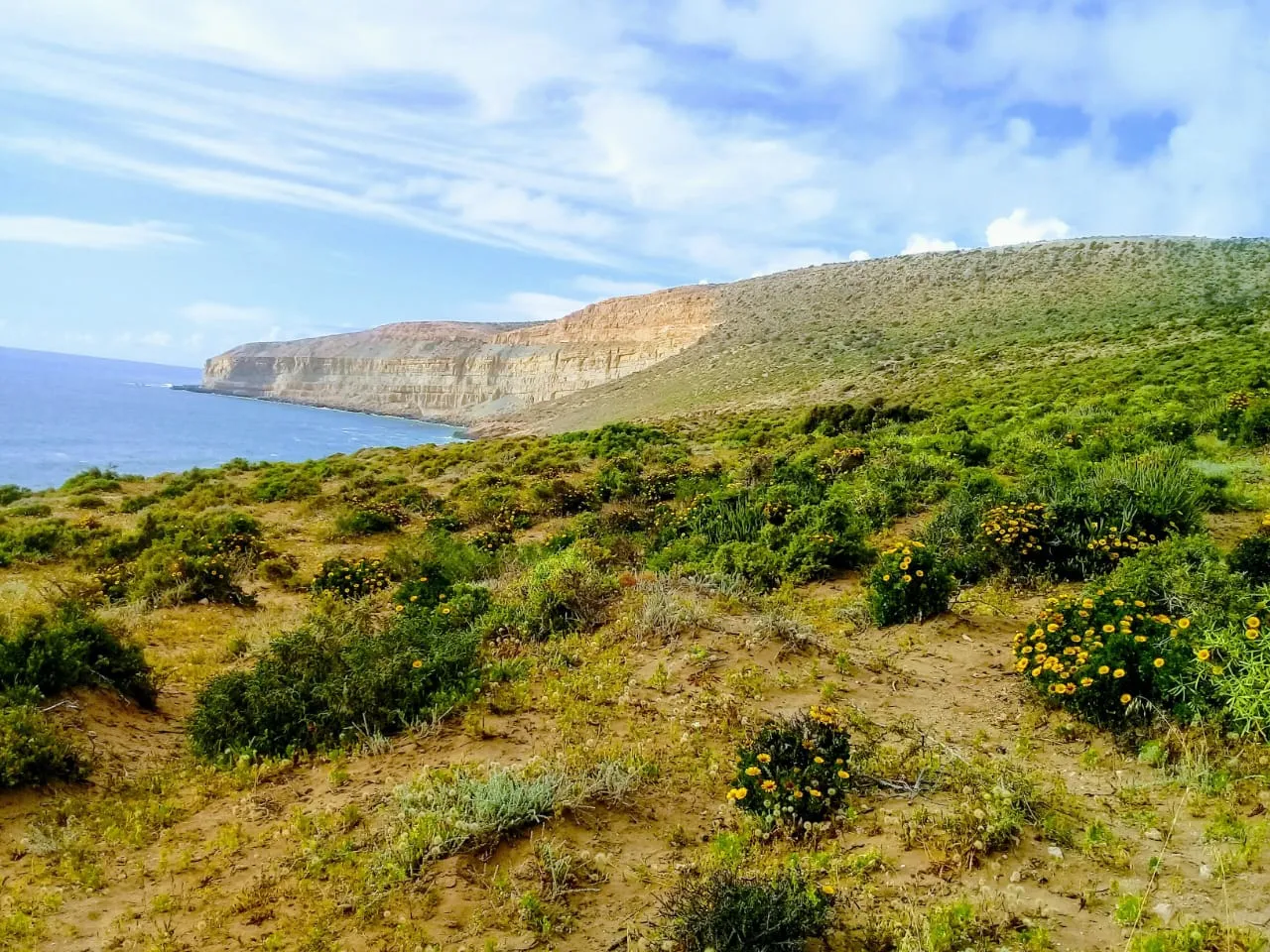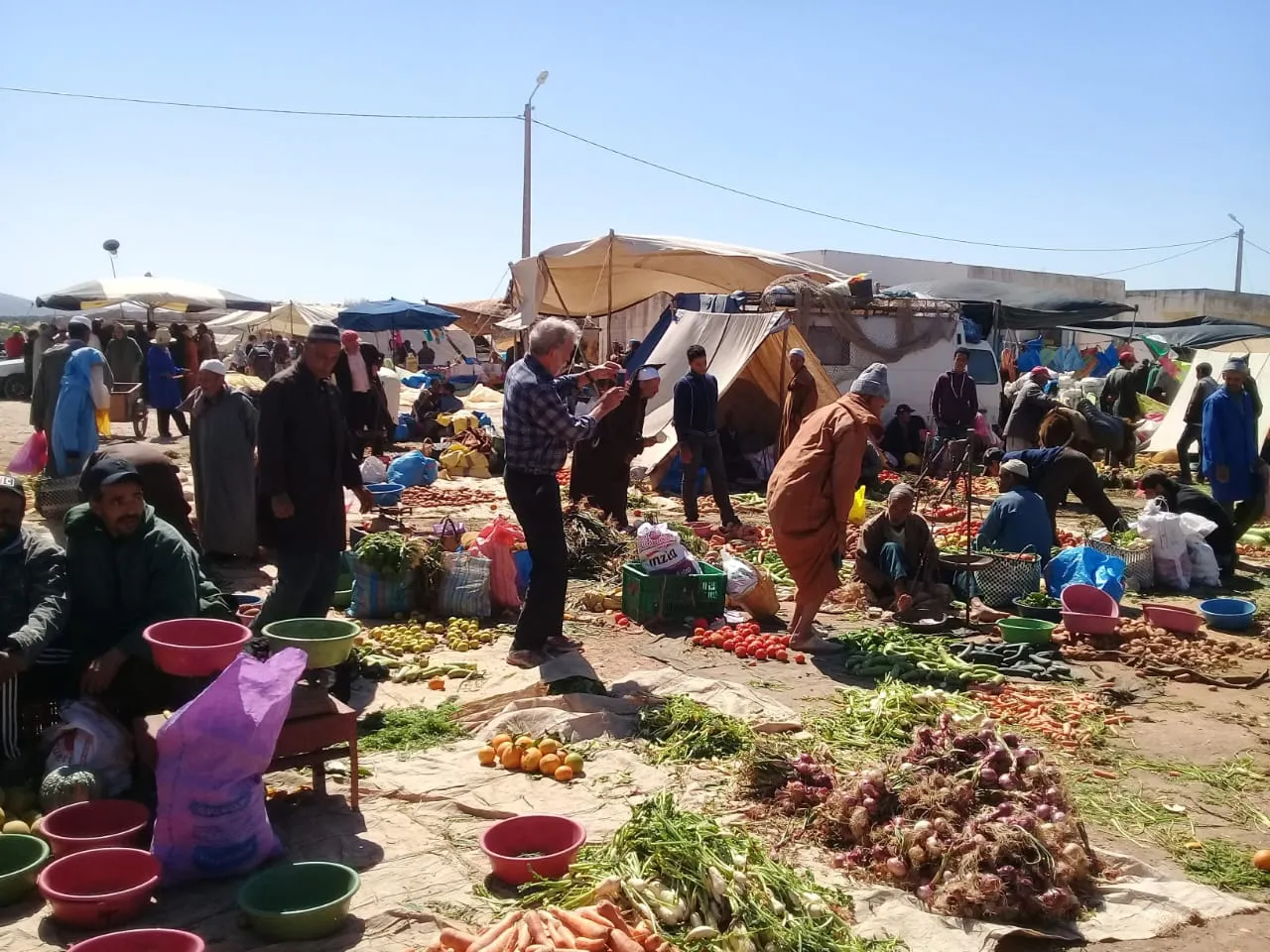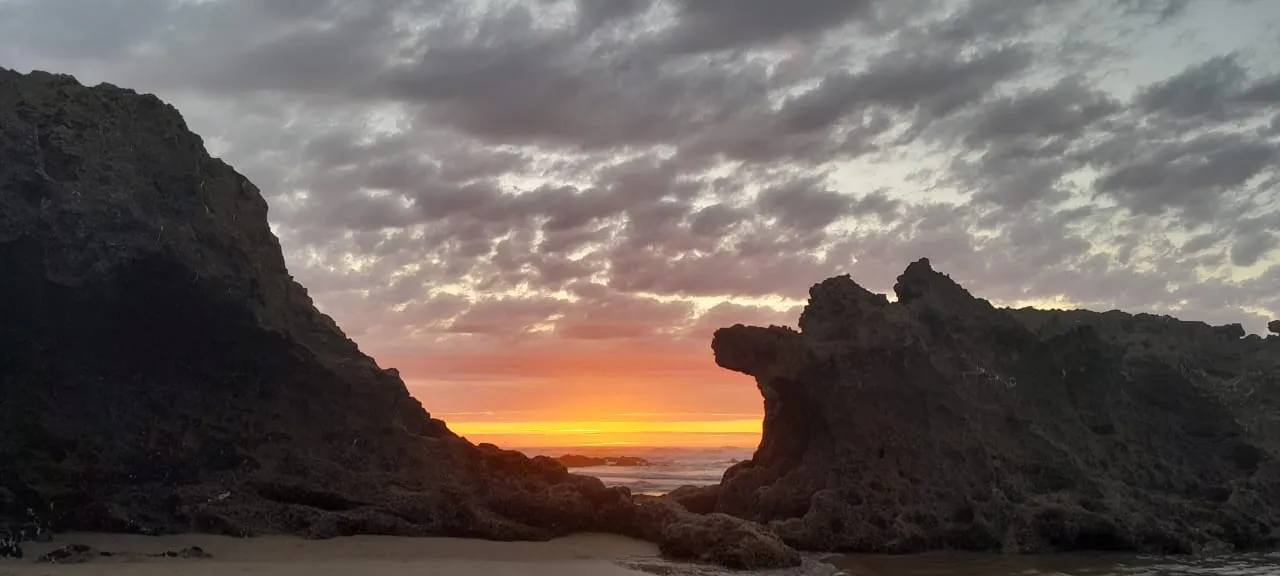
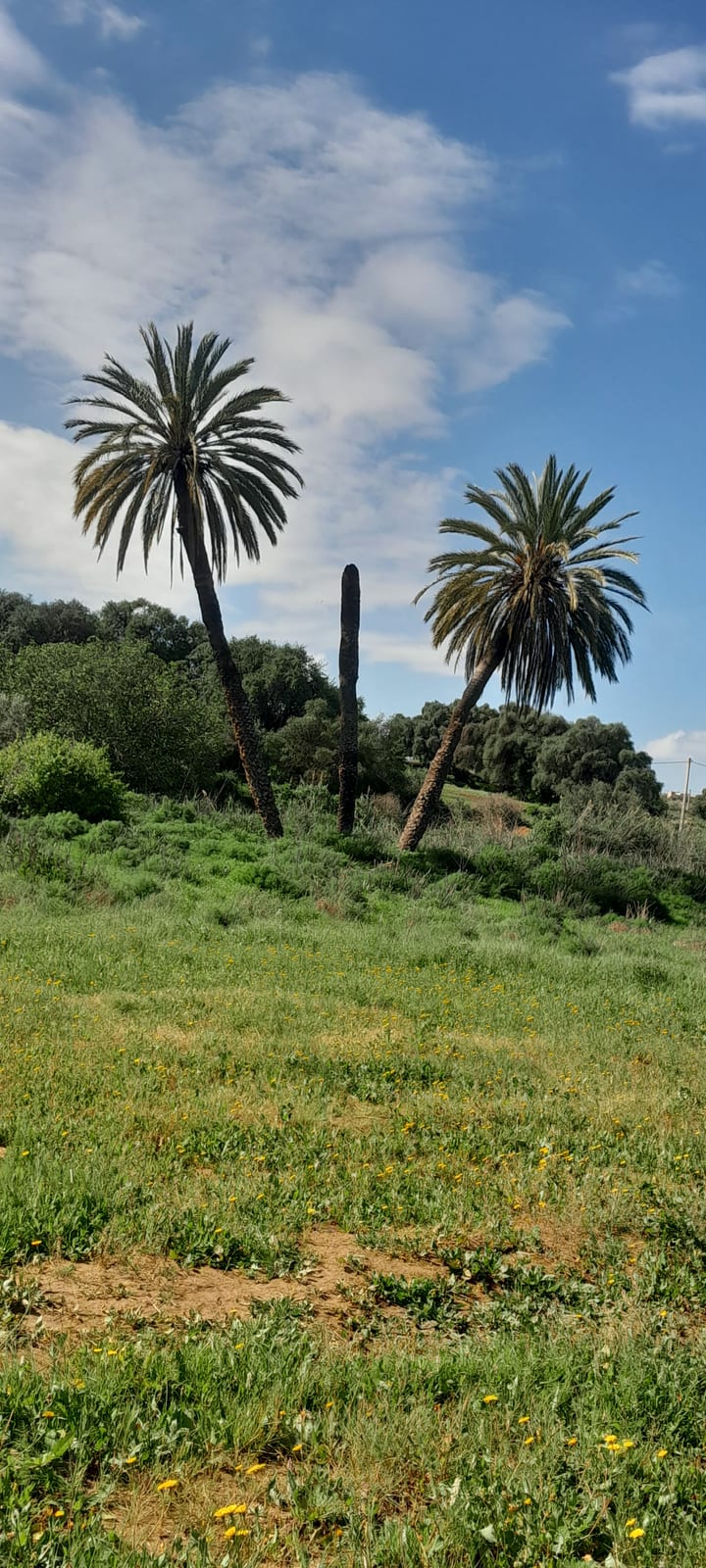
The Essaouira region is one of the broadest in Morocco — and one of the rarest. A meeting point between the Atlas and the Atlantic, between the argan trees of the south and the olive groves of the north, between earth and sea.
Two slopes, two worlds
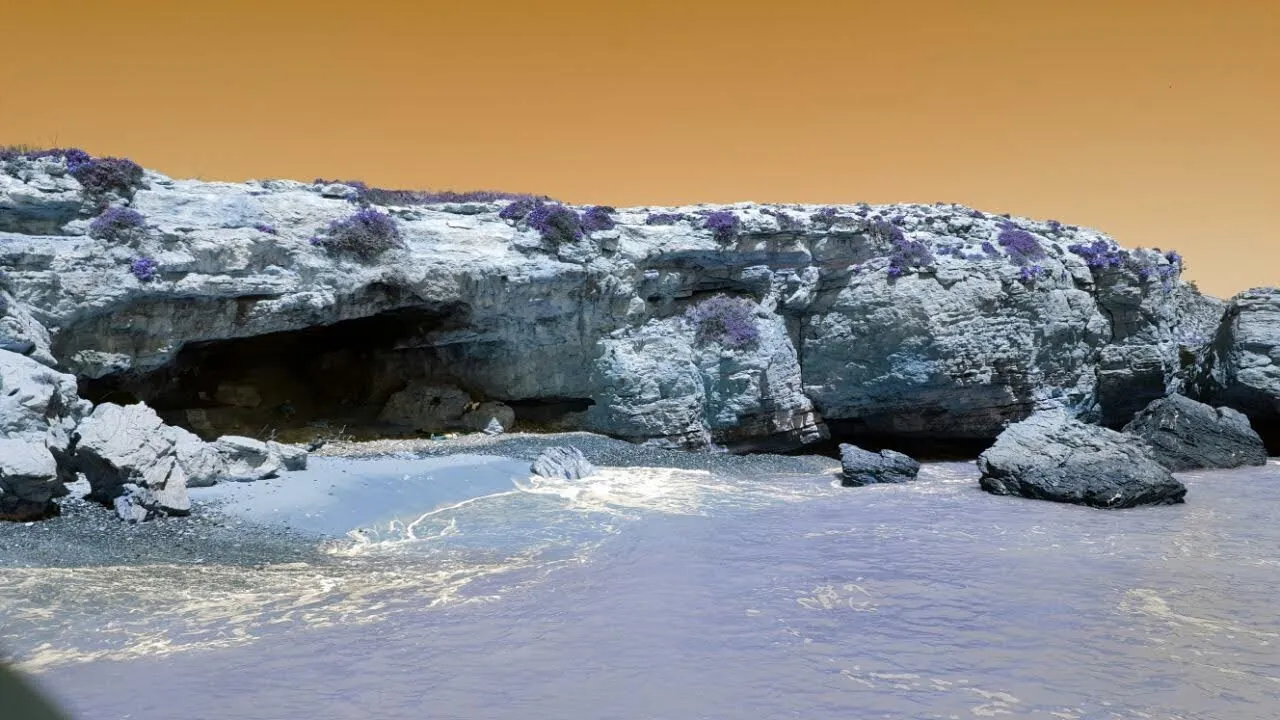
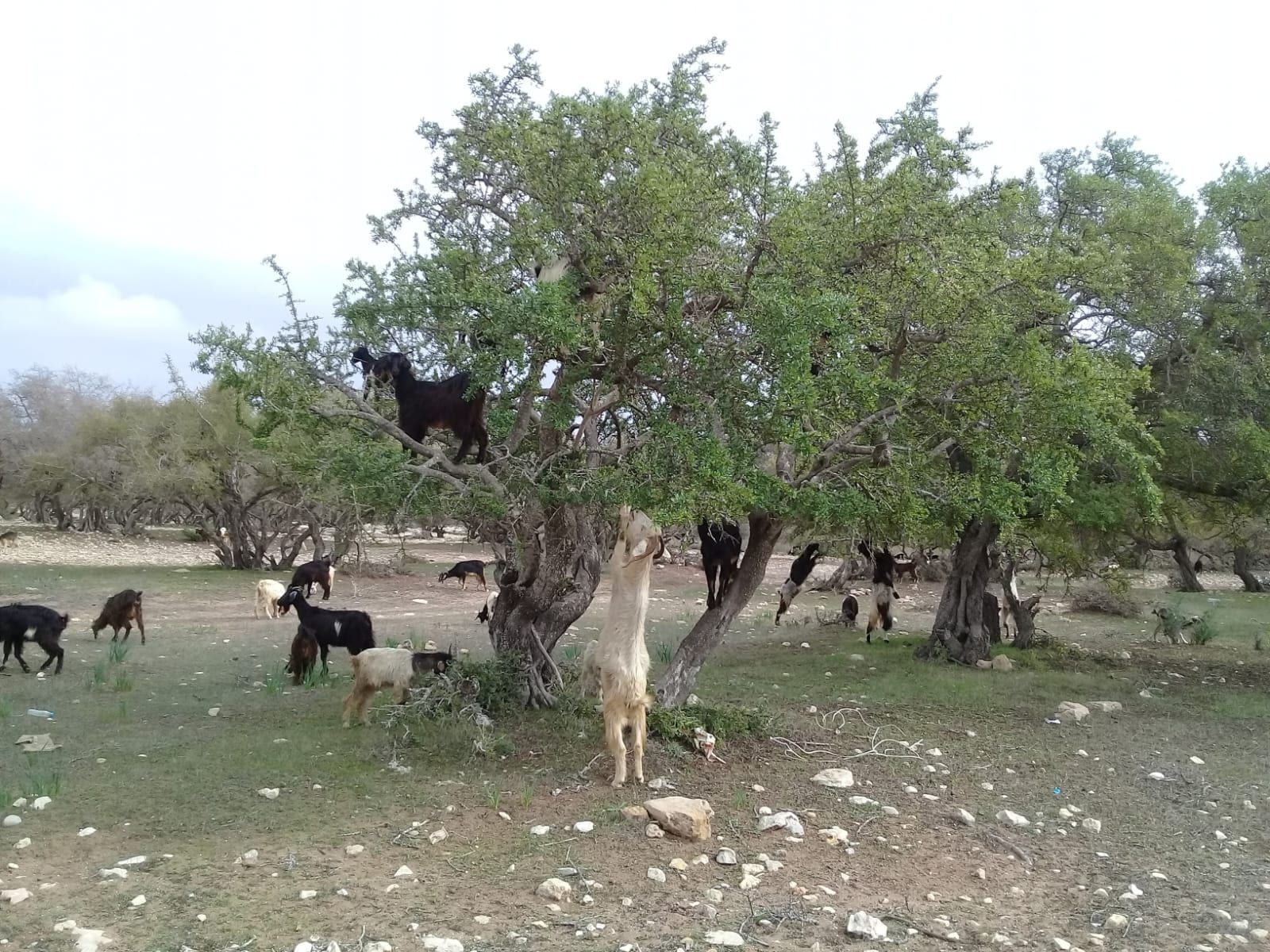
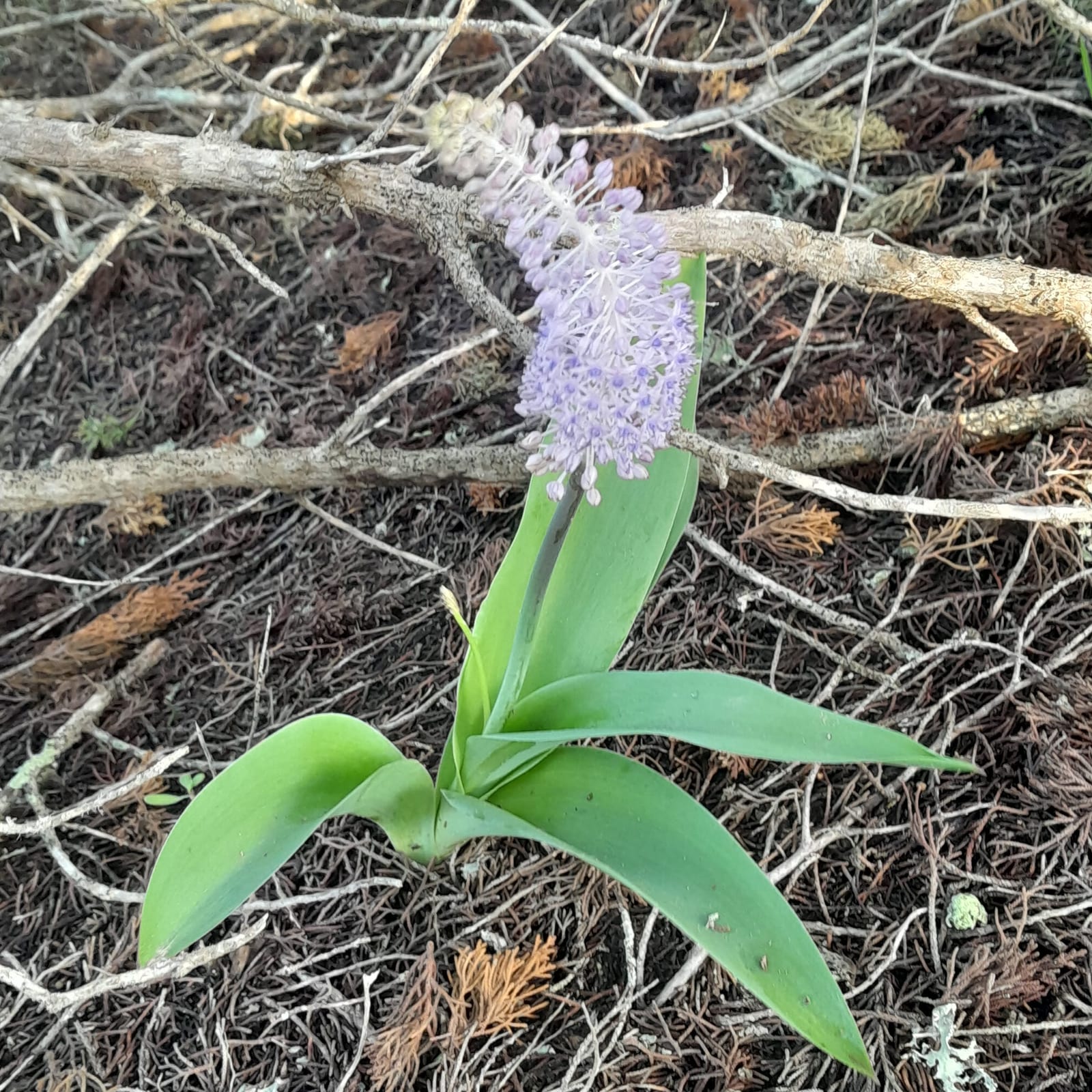
To the south, the foothills of the Atlas reach to the ocean, all the way to the rocky bays of Tafedna. The climate is semi-arid. The soils are limestone and saline. Across nearly half the territory, forests of argan, thuja, juniper and pine dominate — most plants here are thorny, adapted to scarce water. Herds of camels and goats move along the coast with the seasons.
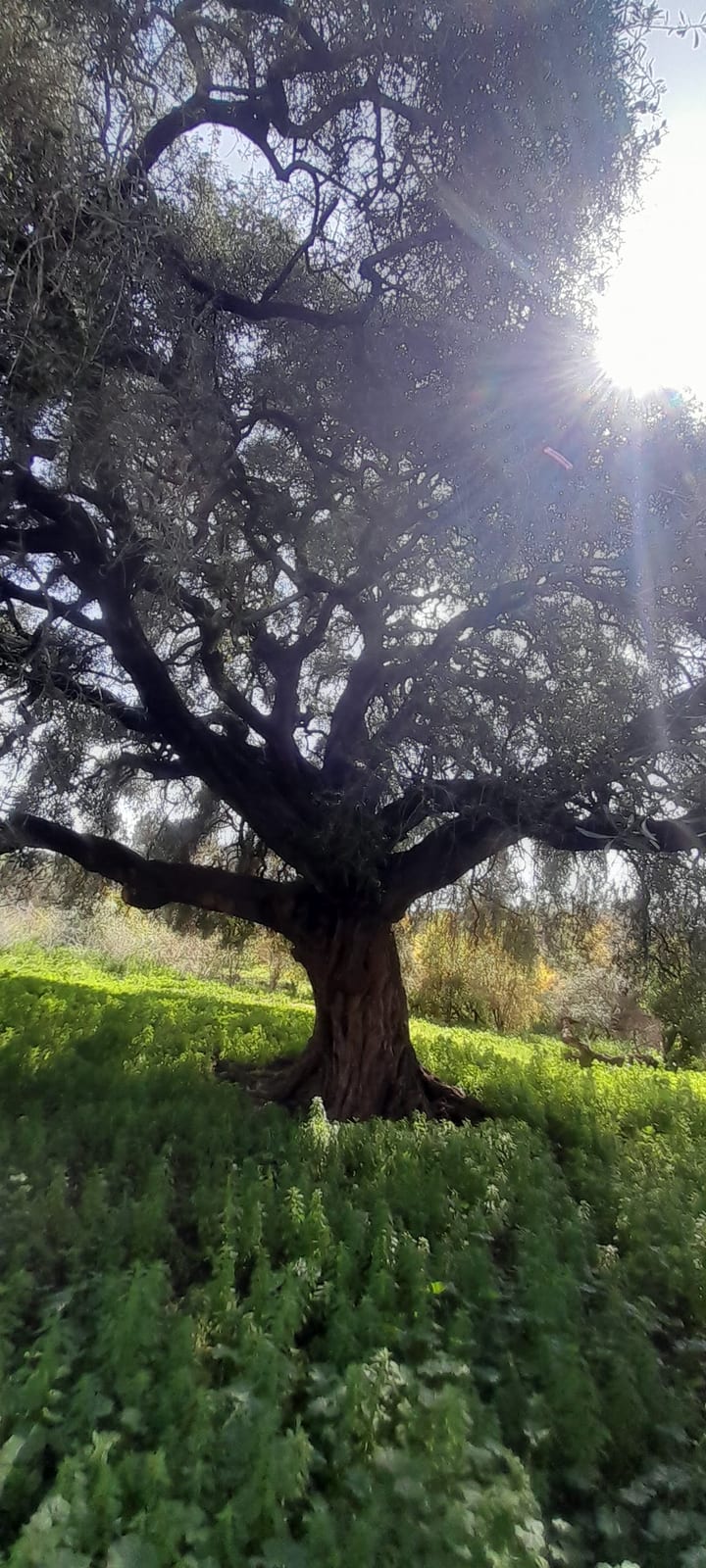
To the north, the Chiadma country shows another face. The plains stretch out, crossed by the Iron Mountain (Jbel Lahdid). Rainfall is more generous, the land flatter. Subsistence farming — wheat, barley, corn, legumes — has been active here for centuries. Cattle and sheep replace camels. Olive trees take the place of argan trees.
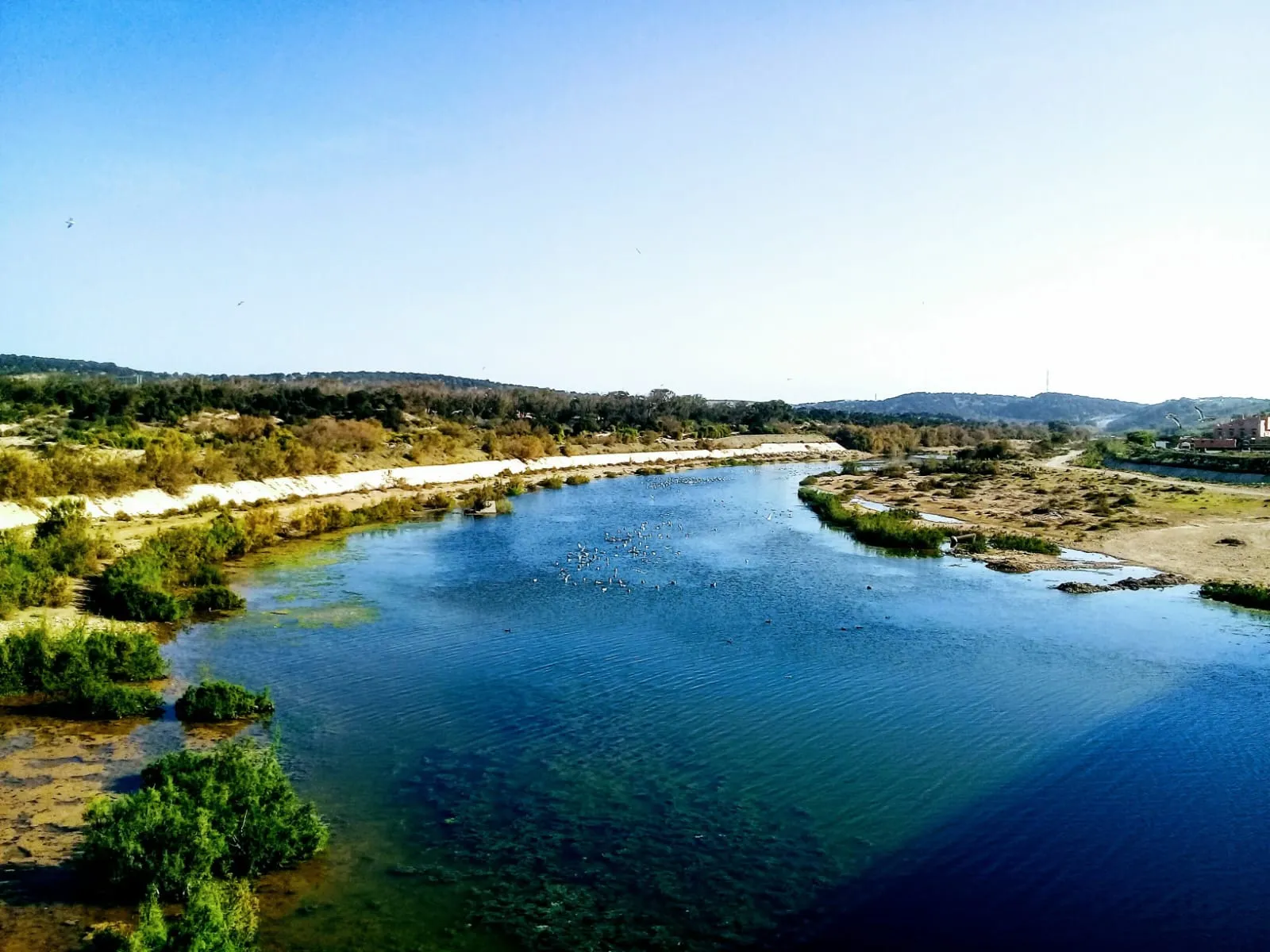
Between the two, along the Oued Lkseb valley, the Moulay Abderrahmane dam is the lung and beating heart of the region.
The Mogador Archipelago
Off Essaouira, the Archipelago and the Dunes form a unique site along the entire Moroccan Atlantic coast. Four times classified — Hunting Reserve, Permanent Biological Reserve, Site of Biological and Ecological Interest, and a Ramsar Wetland of International Importance.
These islands are the remnants of an ancient channel that separated Essaouira from the mainland. The sea’s erosion and the flow of the Oued Ksob carved the coastline, isolated fragments of land, and drew the archipelago we know today.
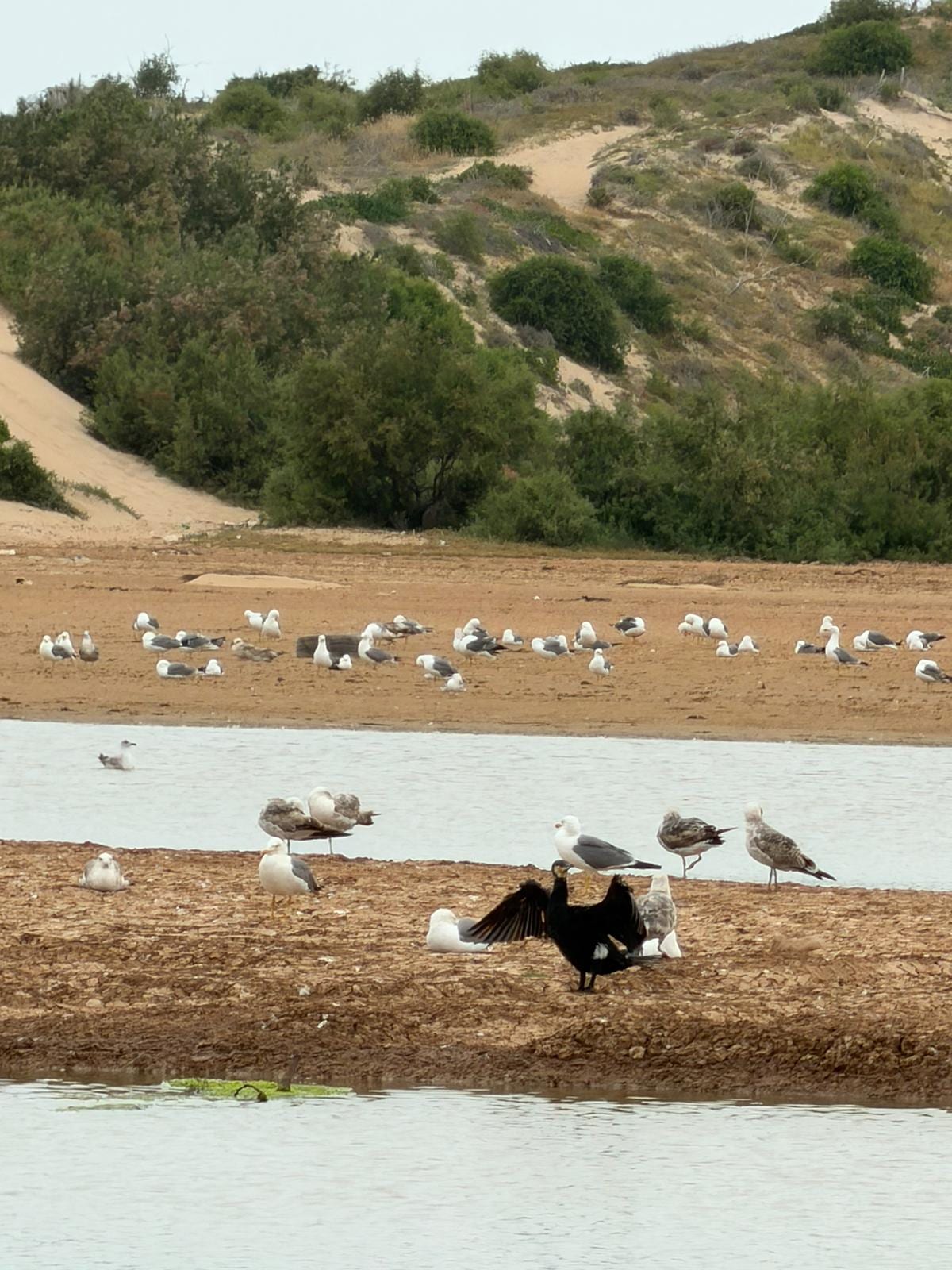
These islets host the largest colony of Eleonora’s Falcons in the world — around 1,500 pairs that, at the end of each summer, migrate together as far as Madagascar to winter. The Archipelago also shelters the Moroccan Great Cormorant, an endemic species, and the country’s largest colony of Yellow-legged Gulls.
Its protection, since 1980, is the most successful conservation measure in Morocco.
On the coast, in the dunes
The coastal sand dunes are anchored by belts of vegetation — Red Juniper, thuja — whose role is to protect Essaouira from being buried in sand.
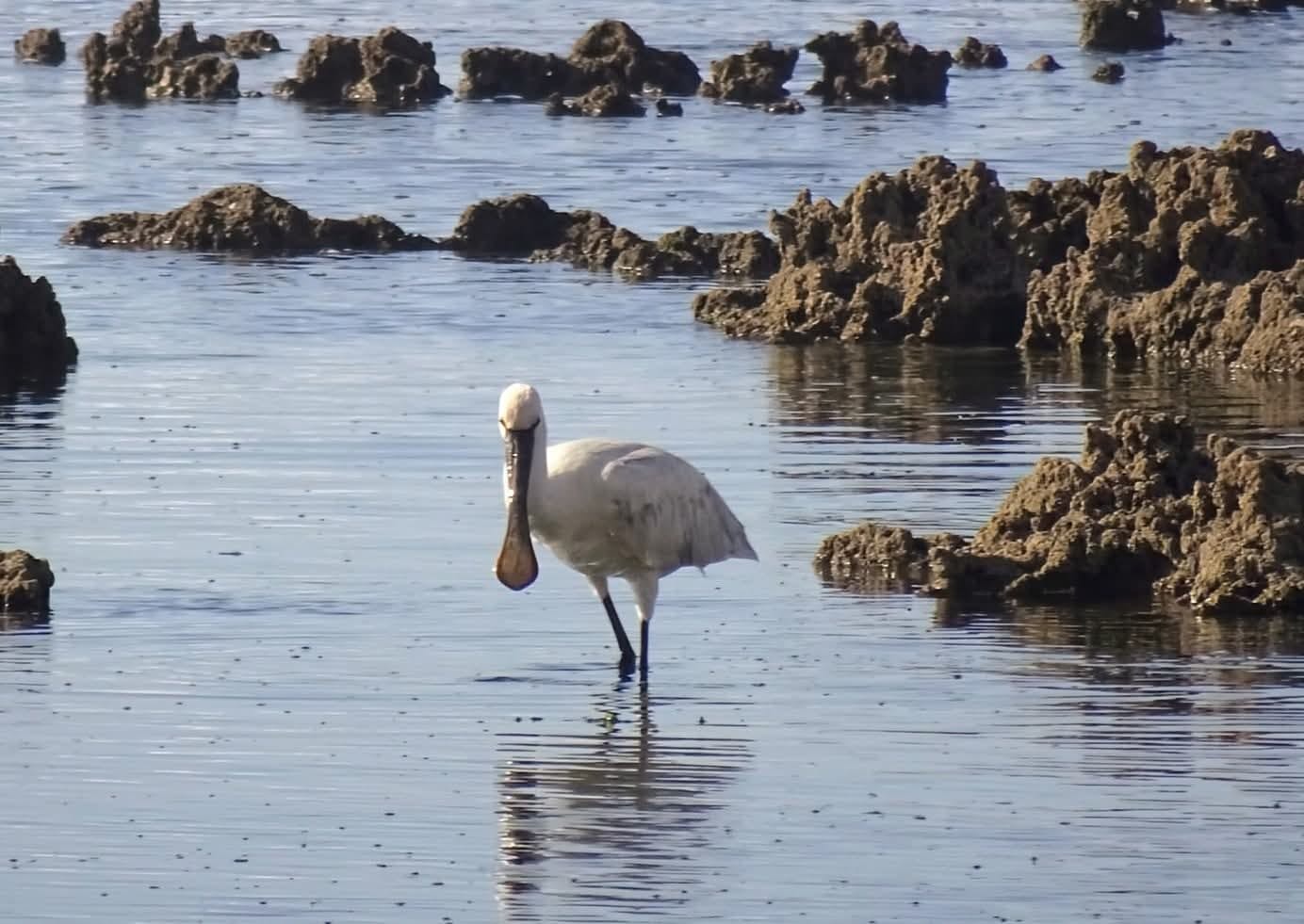
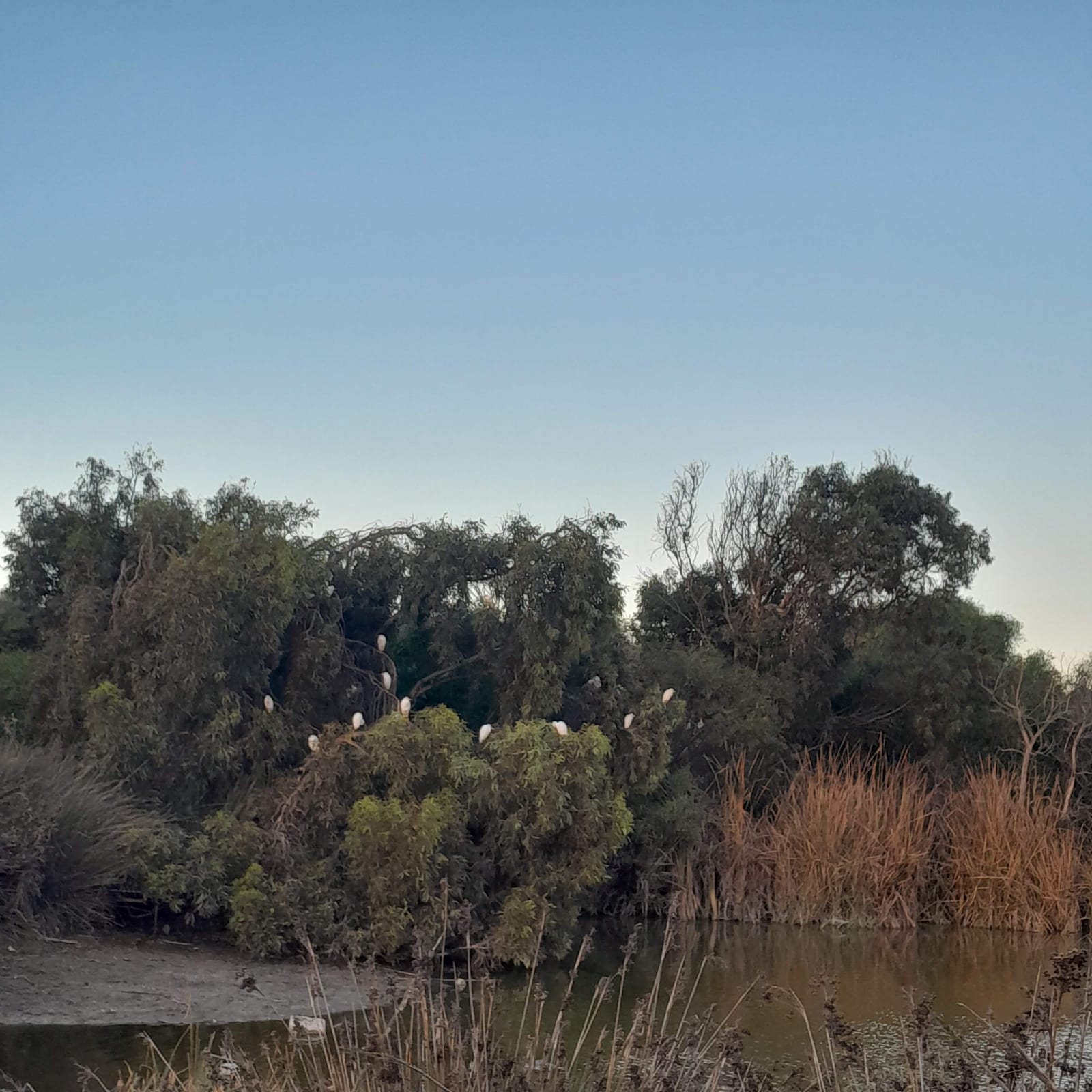
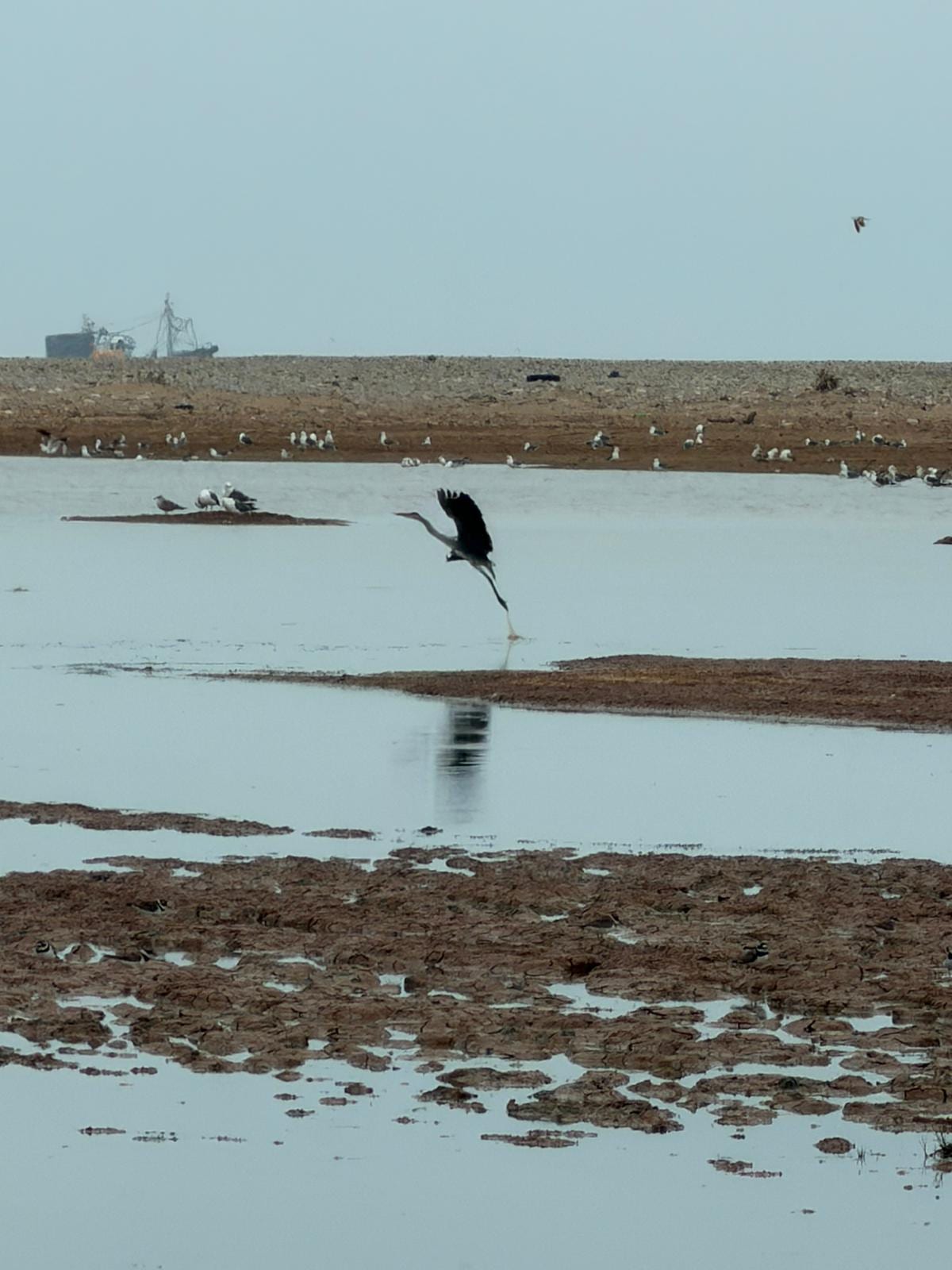
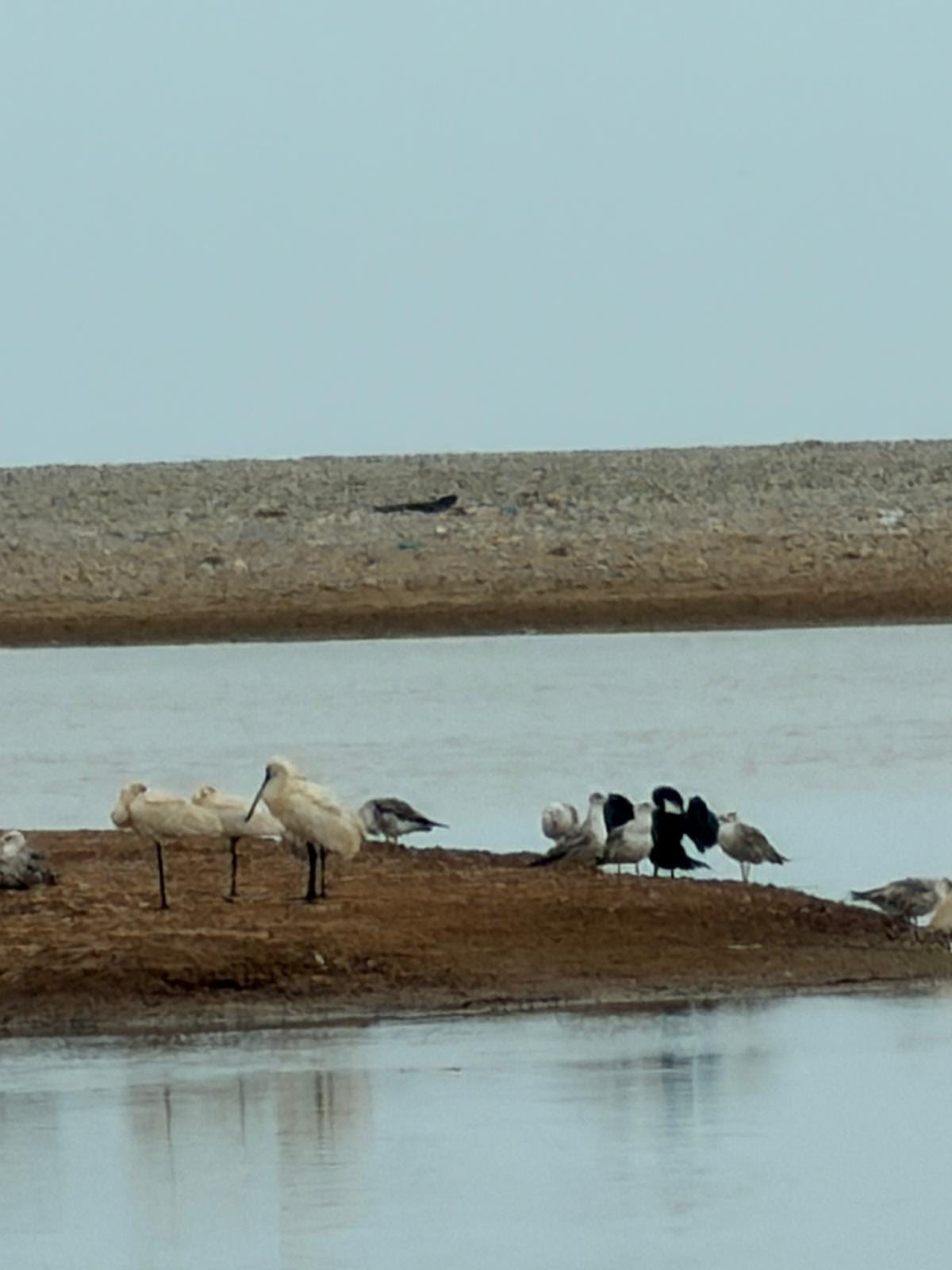
The peri-urban wetlands, more discreet, host a contingent of migratory birds still little studied.
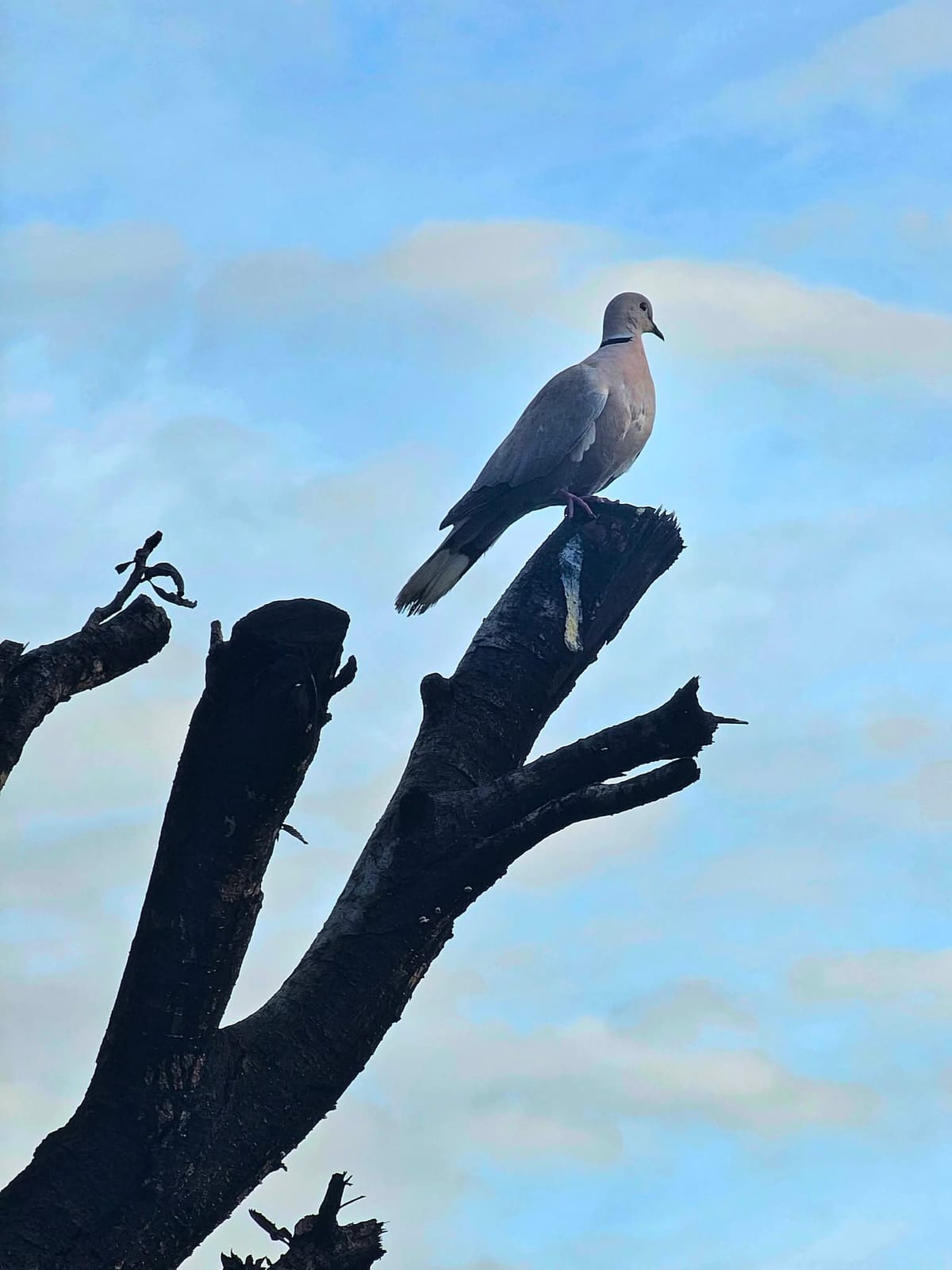
Essaouira sits on the great migration route between Europe and Africa. At the scale of Morocco, 334 species stop over or reside here — passerines from the forests, charadriiformes from the wetlands, rare wanderers seen once and never again.
The territory listens. It watches. It waits for the next season.