Jbel Lahdid is a mountain range rising to 722 metres, formed — as its name suggests — of significant ferrous masses. You’ll find traces of ancient workings here by the Portuguese, and possibly by the Phoenician colony of Mogador.
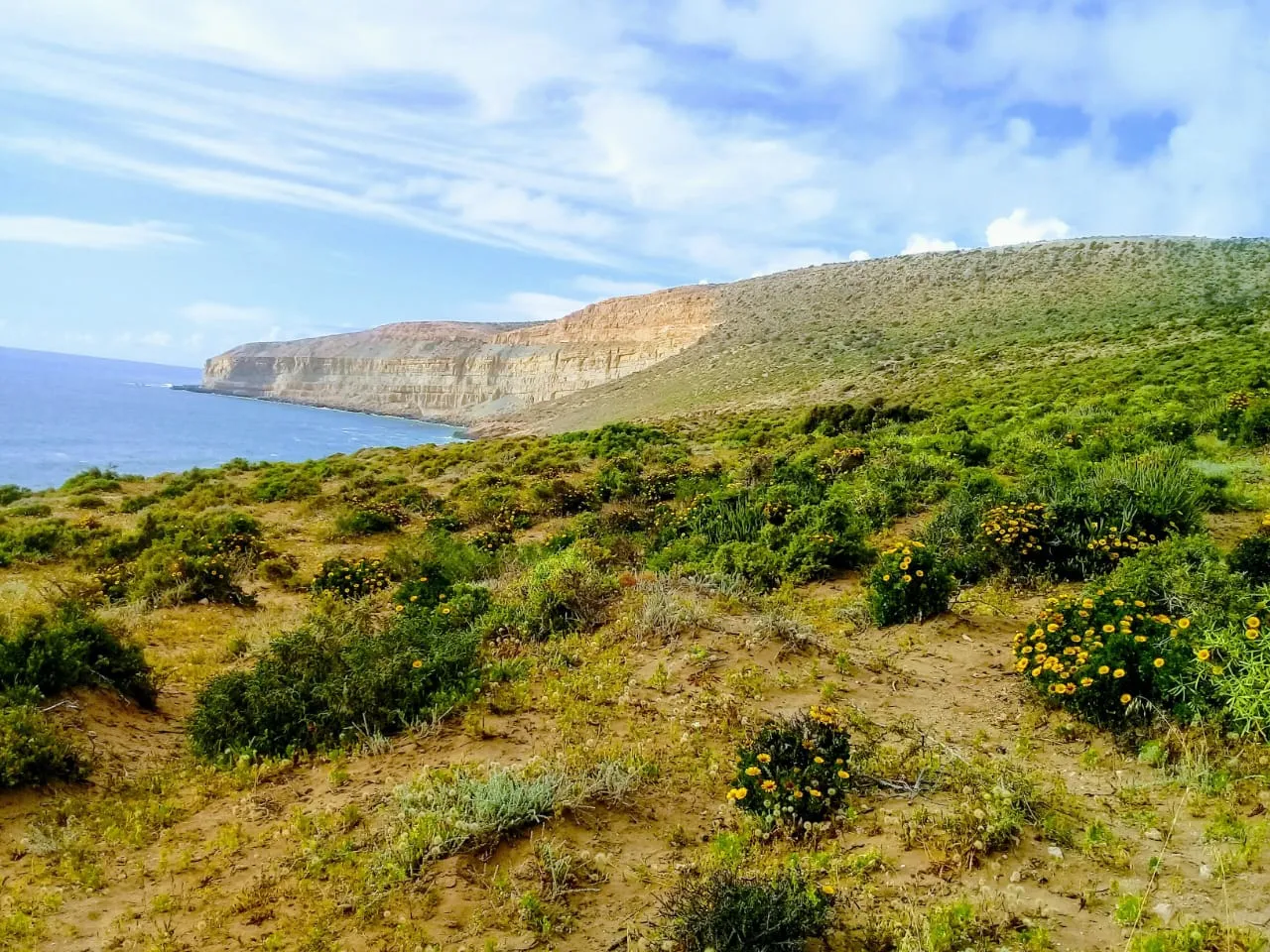
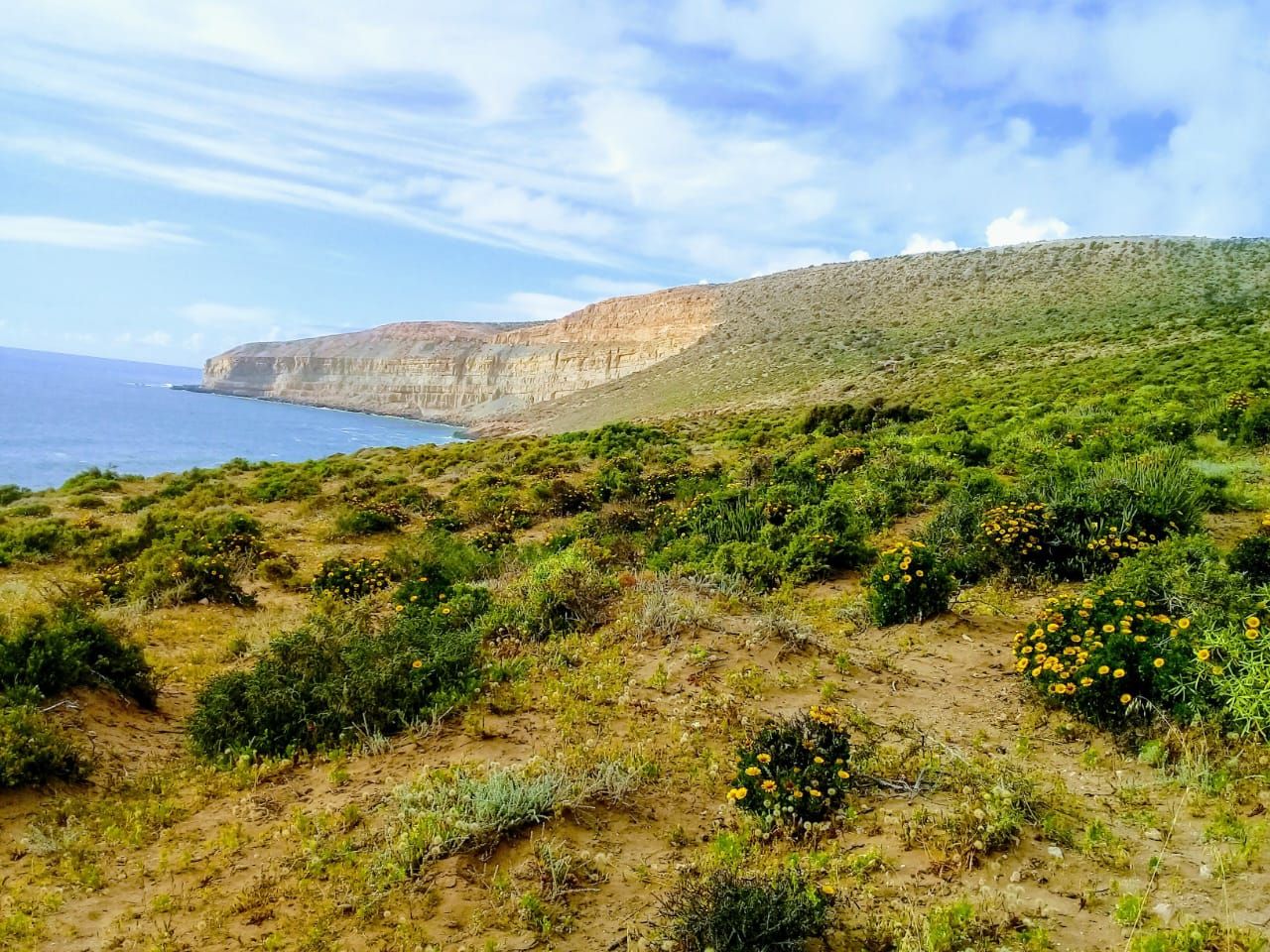
Covered with argan, thuya, wild olive, lentisk and broom, Jbel Lahdid offers the visitor, from the top of its summits, a breathtaking panoramic view.
The Regraga moussem — an annual Berber pilgrimage — passes through Jbel Lahdid each year on its 44-stage circuit, organised every April to honour the sanctuary of Sidi Ouasmine, considered the Sultan of the Regraga.
At the summit, the tomb of Sidi Ali Saih — Sbaïeh the vagabond — was held as a place of retreat and prayer for the seven saints.
Jbel Lahdid, the sacred mountain of the Regraga, divides the territory of the Chiadma in two. The locals themselves distinguish the Sahel, the coastal strip to the west, from the Kabla, the continent to the east.
The symmetrical arrangement of the seven saints is remarkable: at the summit of Jbel Lahdid sits the spiritual centre of the sultan Sidi Ouasmin; three saints to the Sahel on one side, three to the Kabla on the other.